A visit to Machu Picchu is really a journey down the Urubamba valley: from Cusco, through the Sacred Valley and Ollantaytambo, by train to Aguas Calientes and finally up to the citadel and the peaks around it. Each place below has its own guide with what to see, how to get there and the tickets or tours that cover it.
What to See at Machu Picchu & Beyond
Nine places that make up a Machu Picchu trip — from the citadel itself to the valley that leads to it.
Machu Picchu sanctuary
 Machu Picchu sanctuary
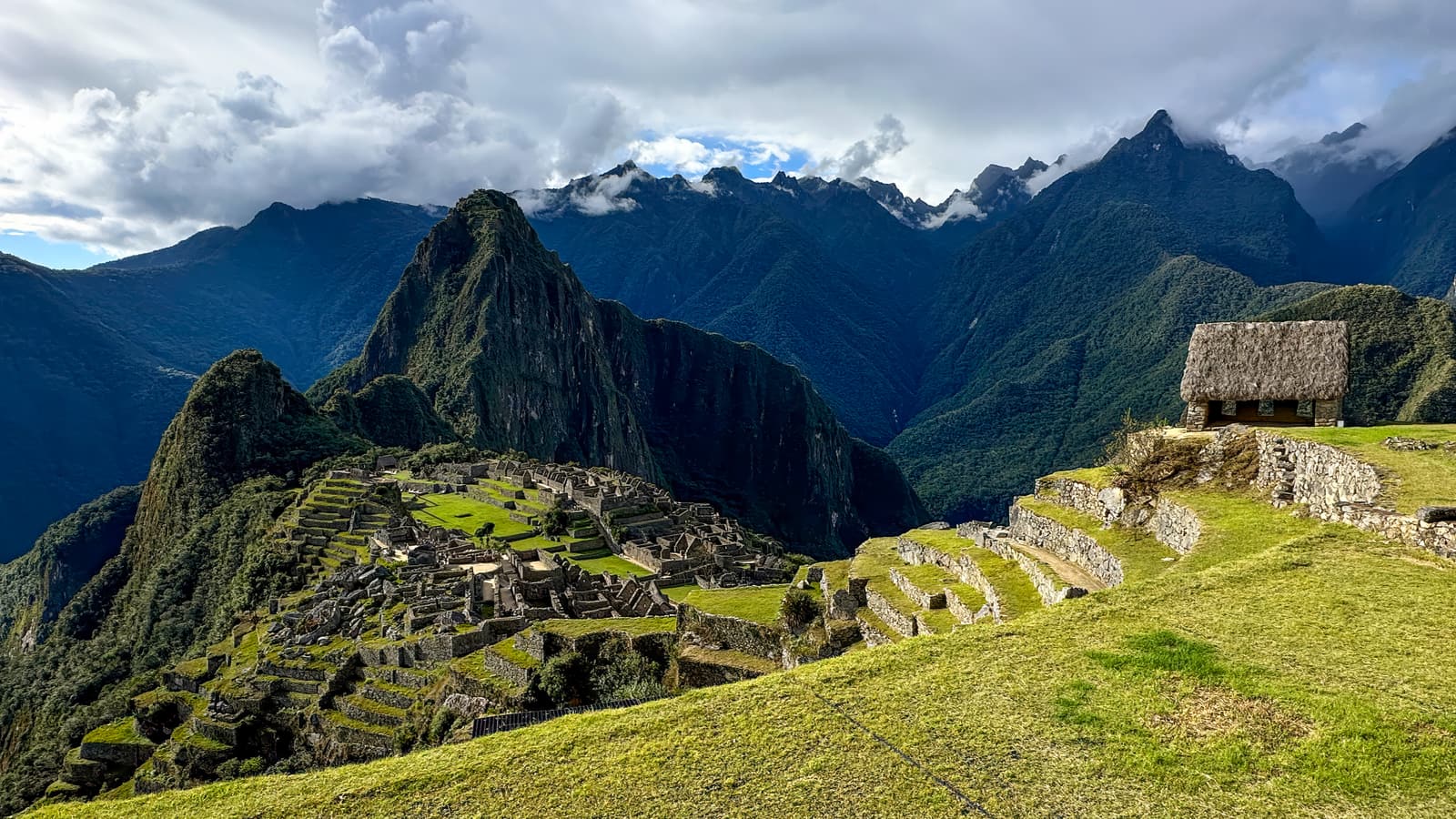
Machu Picchu Citadel
The Inca city itself
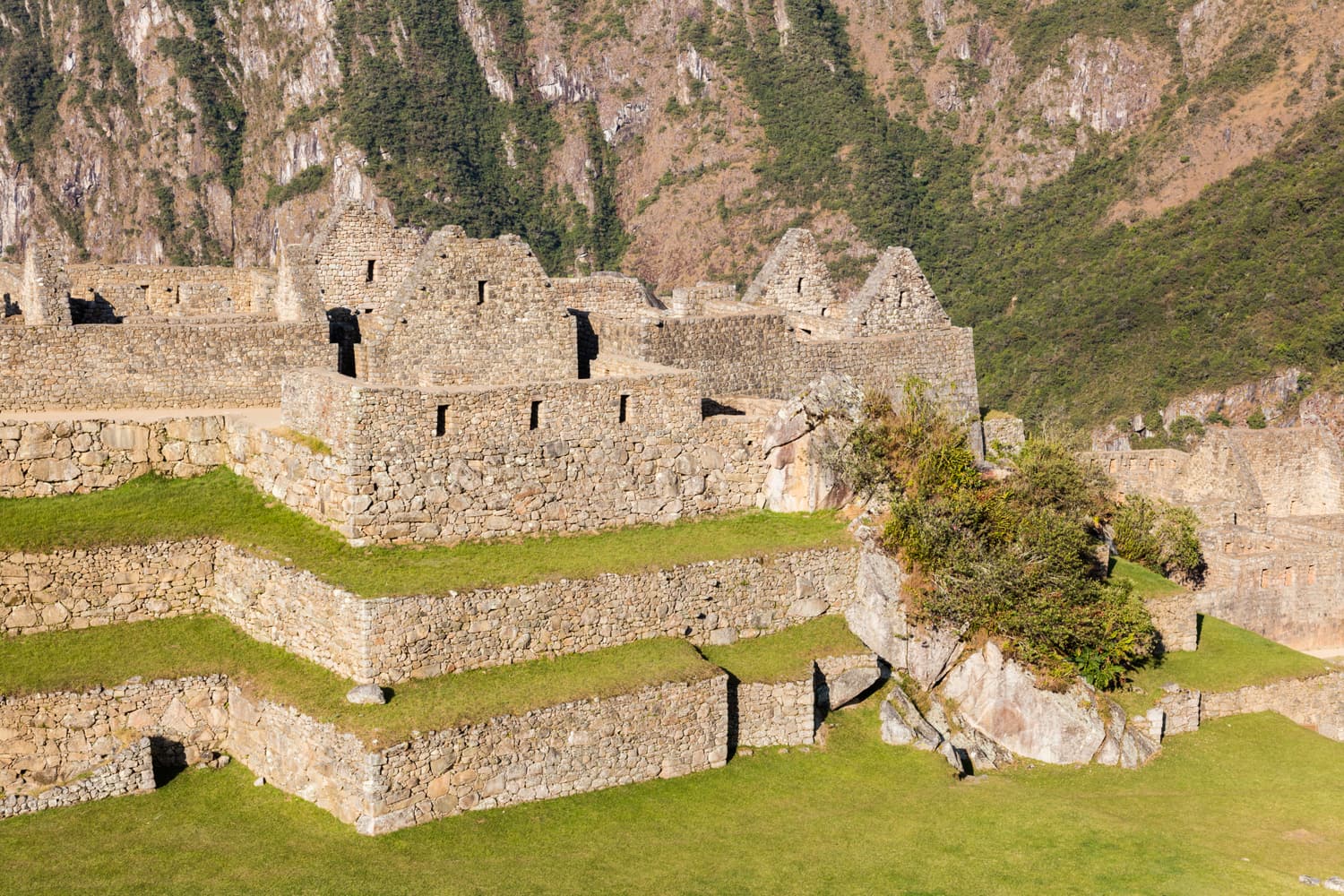
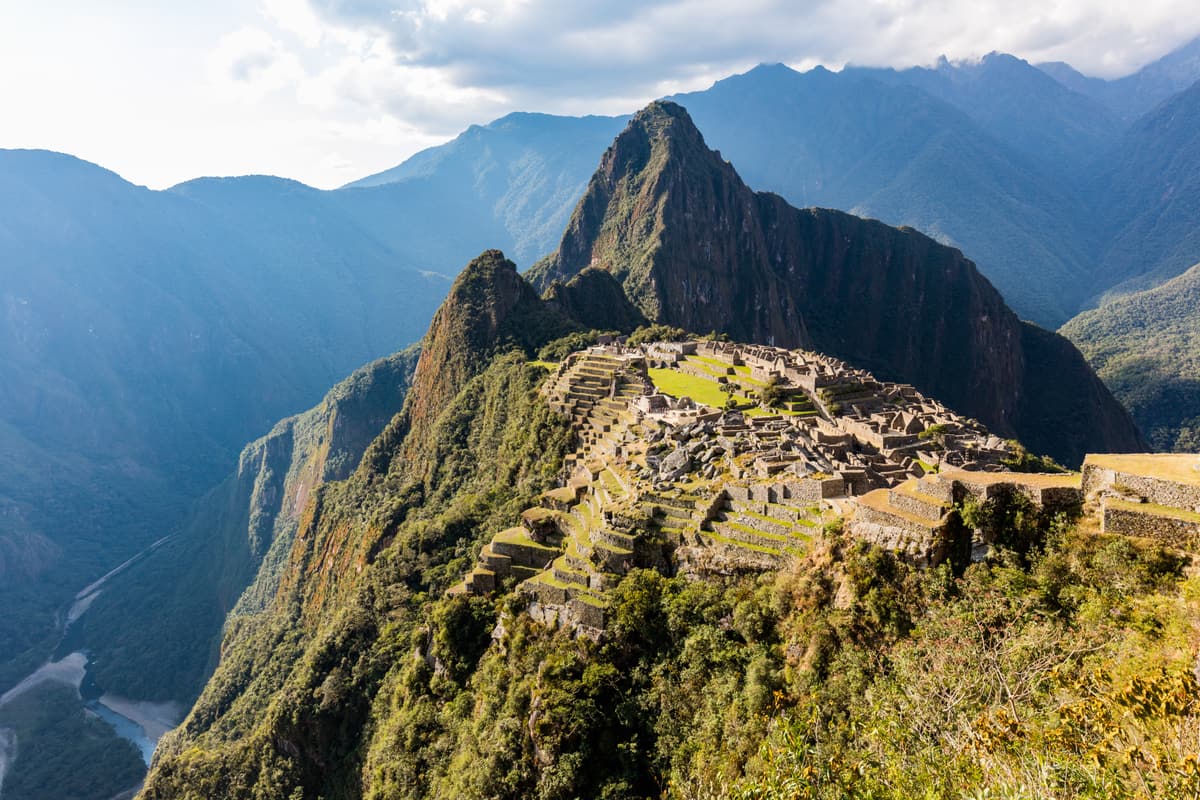
Around 200 stone buildings and hundreds of terraces on a ridge at about 2,430 m: temples, plazas, fountains and houses built for the emperor Pachacuti in the fifteenth century and visited today on three fixed circuits.
 Machu Picchu sanctuary
Huayna Picchu
The peak in every photograph
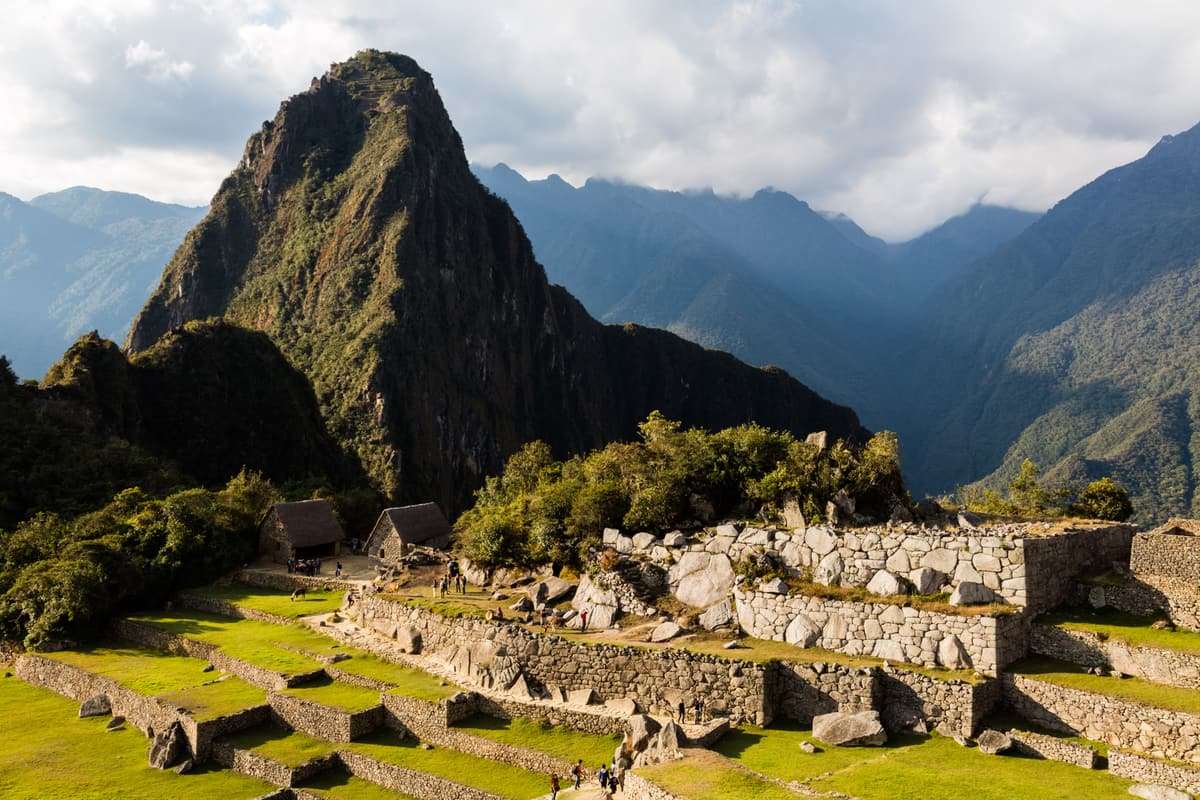
The sugarloaf mountain that rises behind the city. A steep Inca staircase climbs to terraces and buildings near the summit, about 290 m above the citadel, for a bird’s-eye view of the whole site.
 Machu Picchu sanctuary
Machu Picchu Mountain
The highest viewpoint
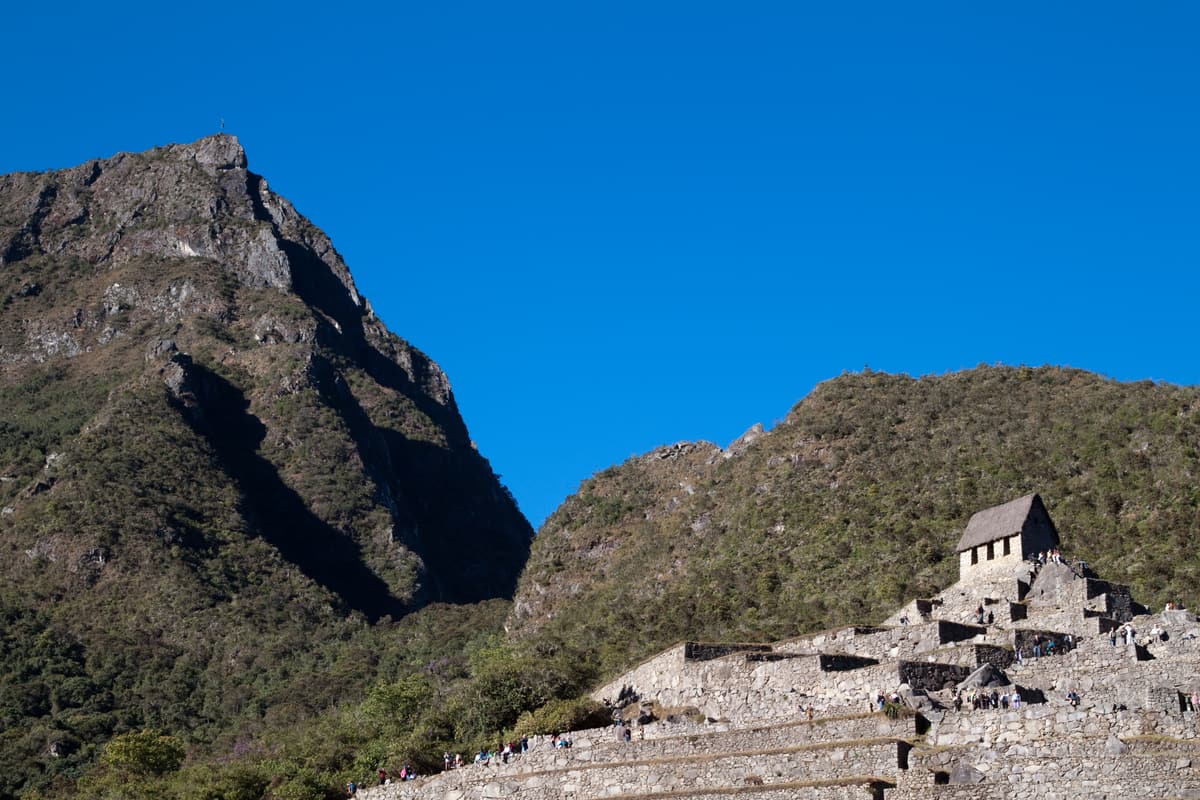
The broad mountain on the opposite side of the site from Huayna Picchu. A long stone stairway leads to the 3,082 m summit, with the citadel, the river loop and the surrounding ranges laid out below.
 Machu Picchu sanctuary
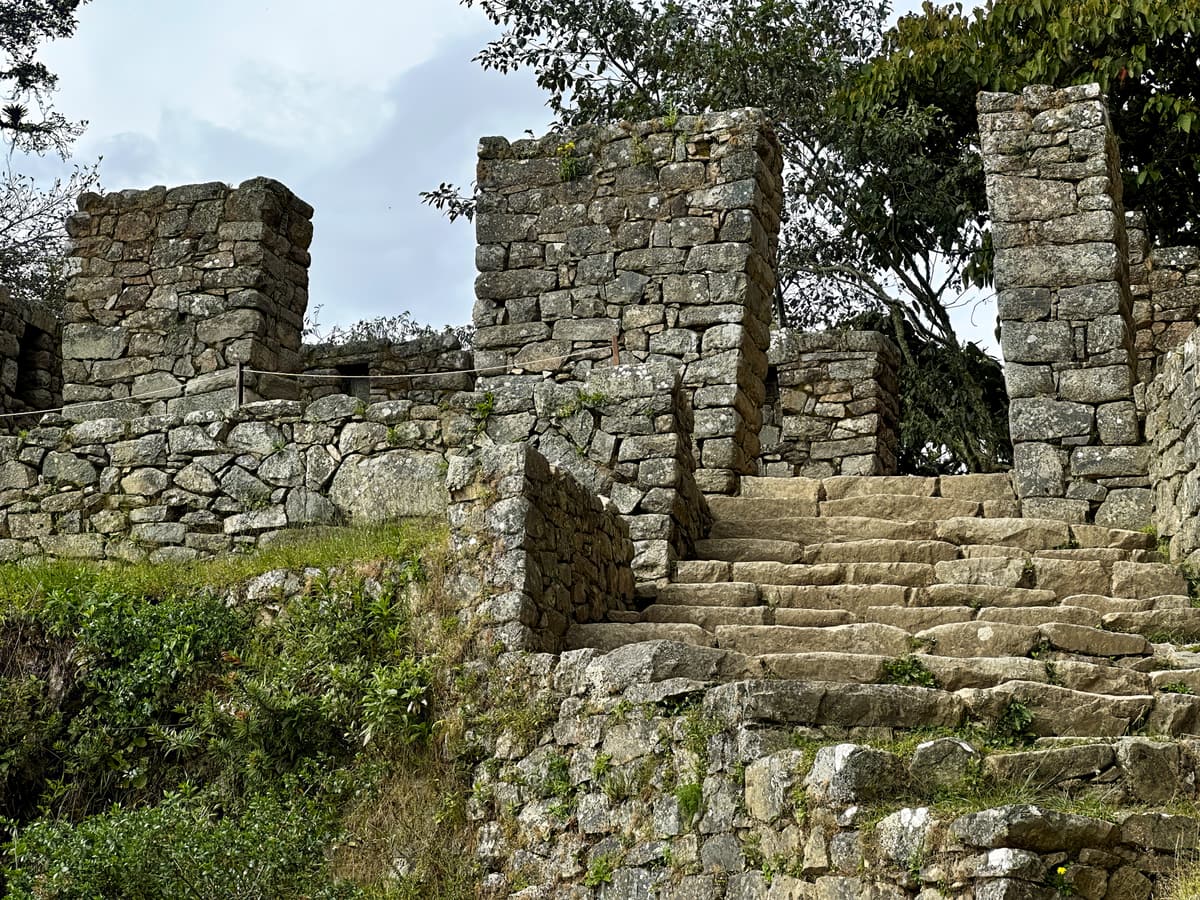
Sun Gate & Inca Bridge
Two walks out along the Inca roads
Inti Punku, the Sun Gate, is where the Inca Trail first looks down on Machu Picchu; the Inca Bridge is a gap in a cliff path once closed by removable logs. Both are side routes of Circuit 1, usually open in high season.
 Machu Picchu sanctuary
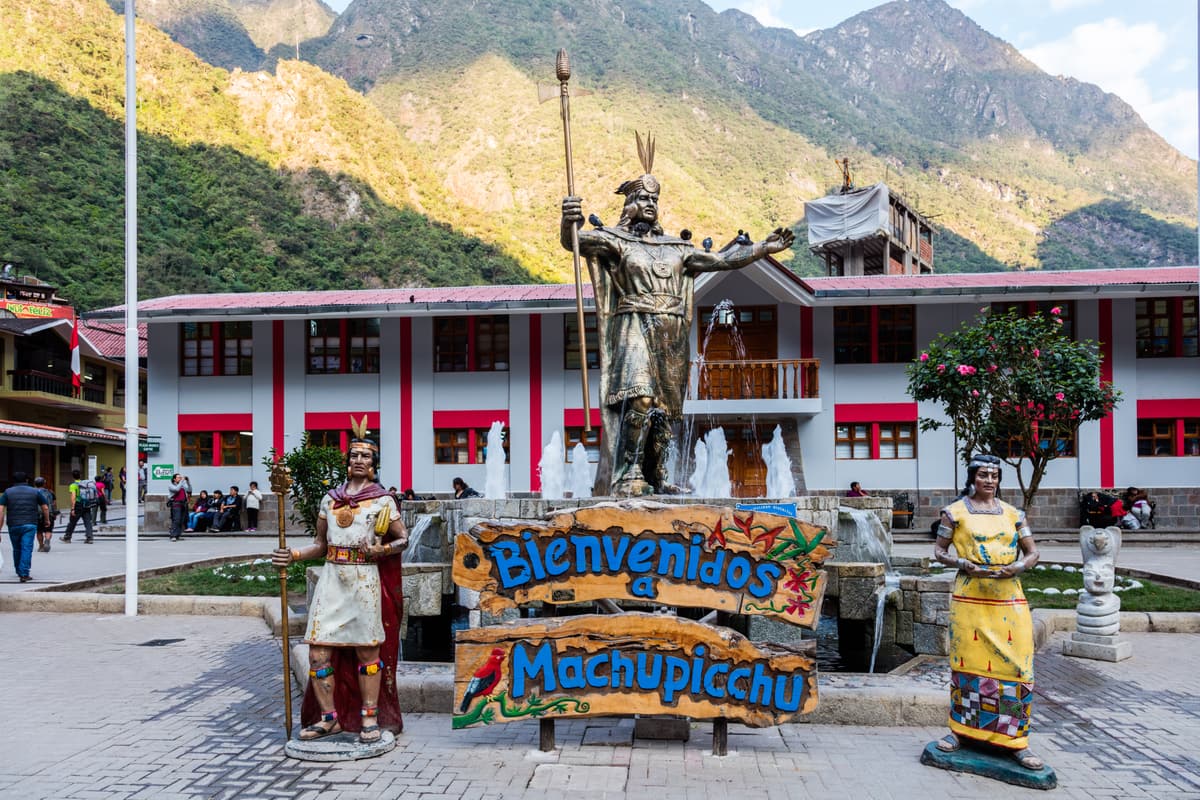
Aguas Calientes
The town below the ruins
Officially Machu Picchu Pueblo: a small, car-free town wedged into the gorge of the Urubamba, reached only by train or on foot. Every visitor passes through, and it is the best place to sleep before an early entry.
Sacred Valley
 Sacred Valley
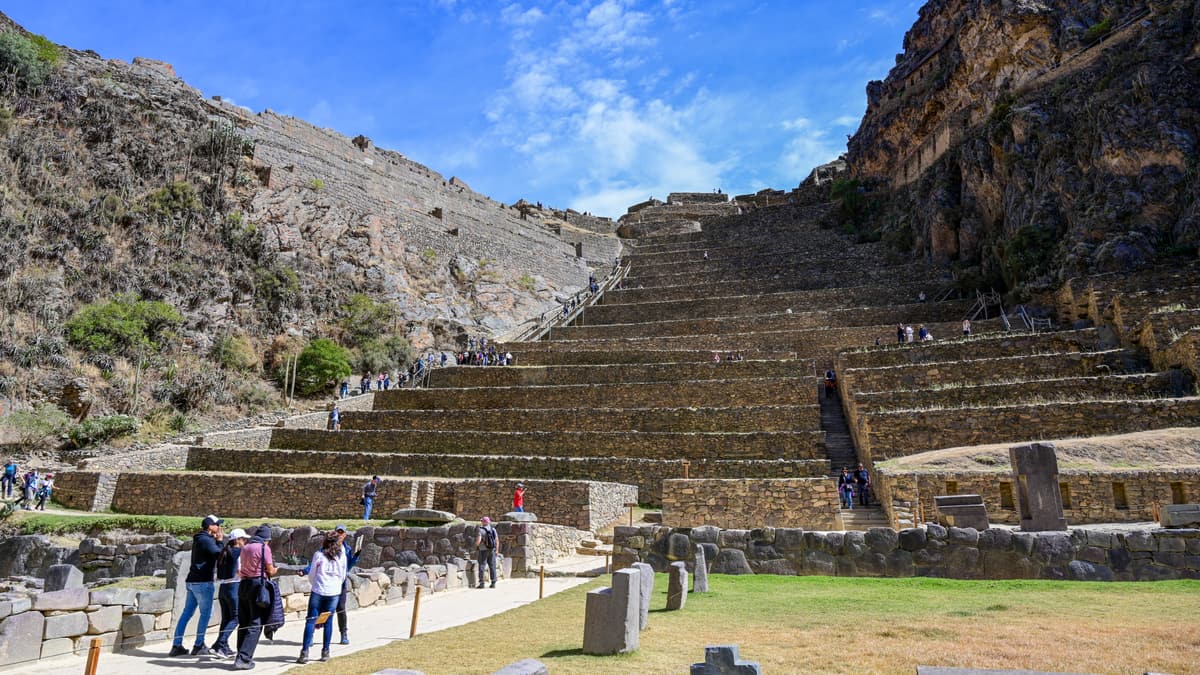
Ollantaytambo
A living Inca town
A town still laid out on its Inca street plan, beneath a steep terraced temple-fortress where the Inca Manco defeated a Spanish force in 1537. It is also the main railway station for Machu Picchu.
 Sacred Valley
 Sacred Valley
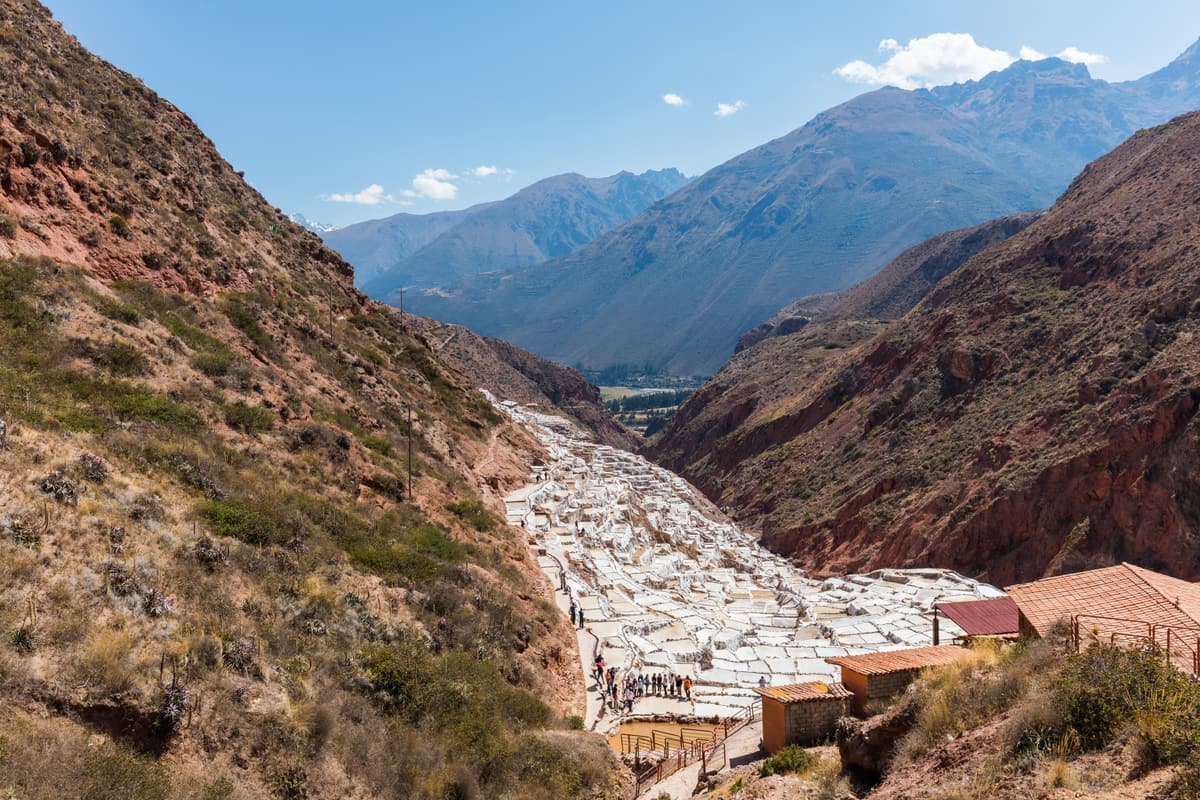
Maras & Moray
Salt pans and circular terraces
Two unusual sights on the plateau above the Sacred Valley: thousands of salt-evaporation pools still worked by local families at Maras, and the concentric terraces of Moray, thought to have been an Inca agricultural experiment.
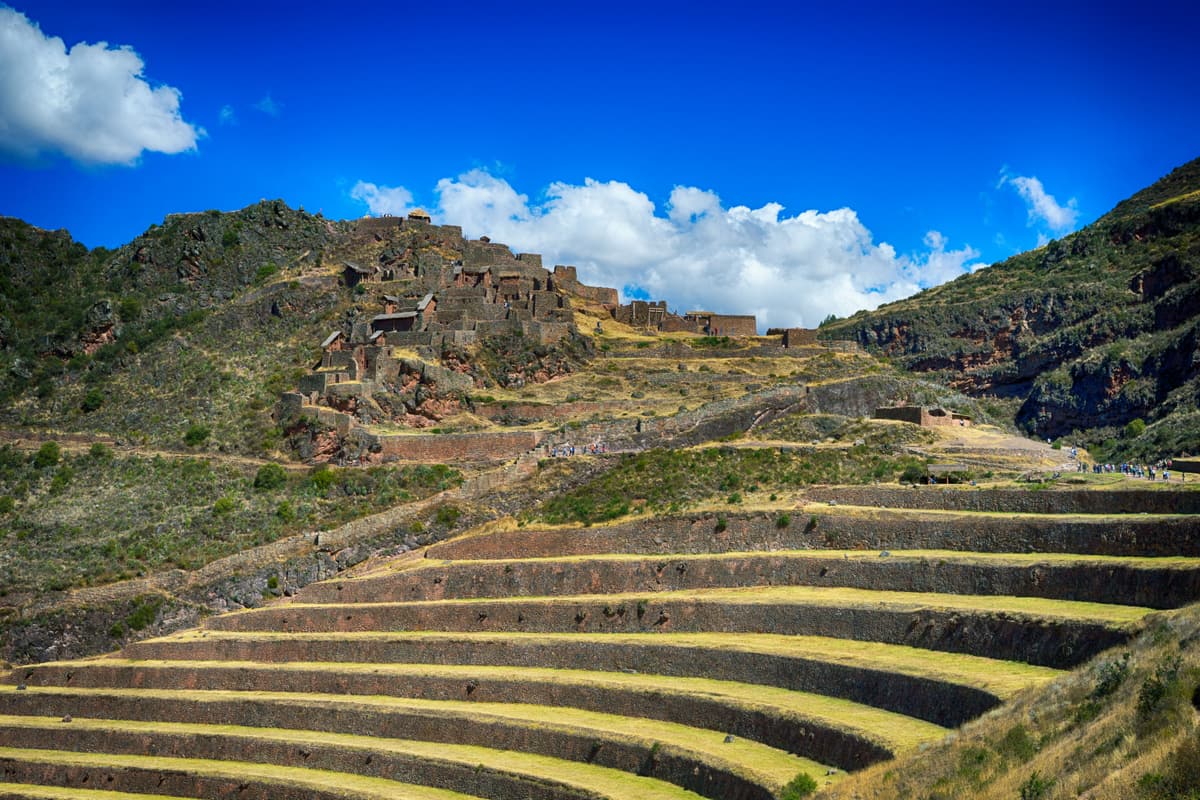
A sensible order: start in the Sacred Valley (Pisac, Maras and Moray, Ollantaytambo), which is lower than Cusco; take the train to Aguas Calientes; visit the citadel and, if you have the ticket, one of its mountains; then finish with Cusco, when you are used to the altitude.
Ready to book? Compare tickets and tours, or check where to stay along the way.
Plan your visit
Tickets sell out — sort yours first
Entry is timed and capped every day, and trains fill up in high season. Compare tickets, guided visits and all-in day trips from Cusco, and book in a couple of taps.