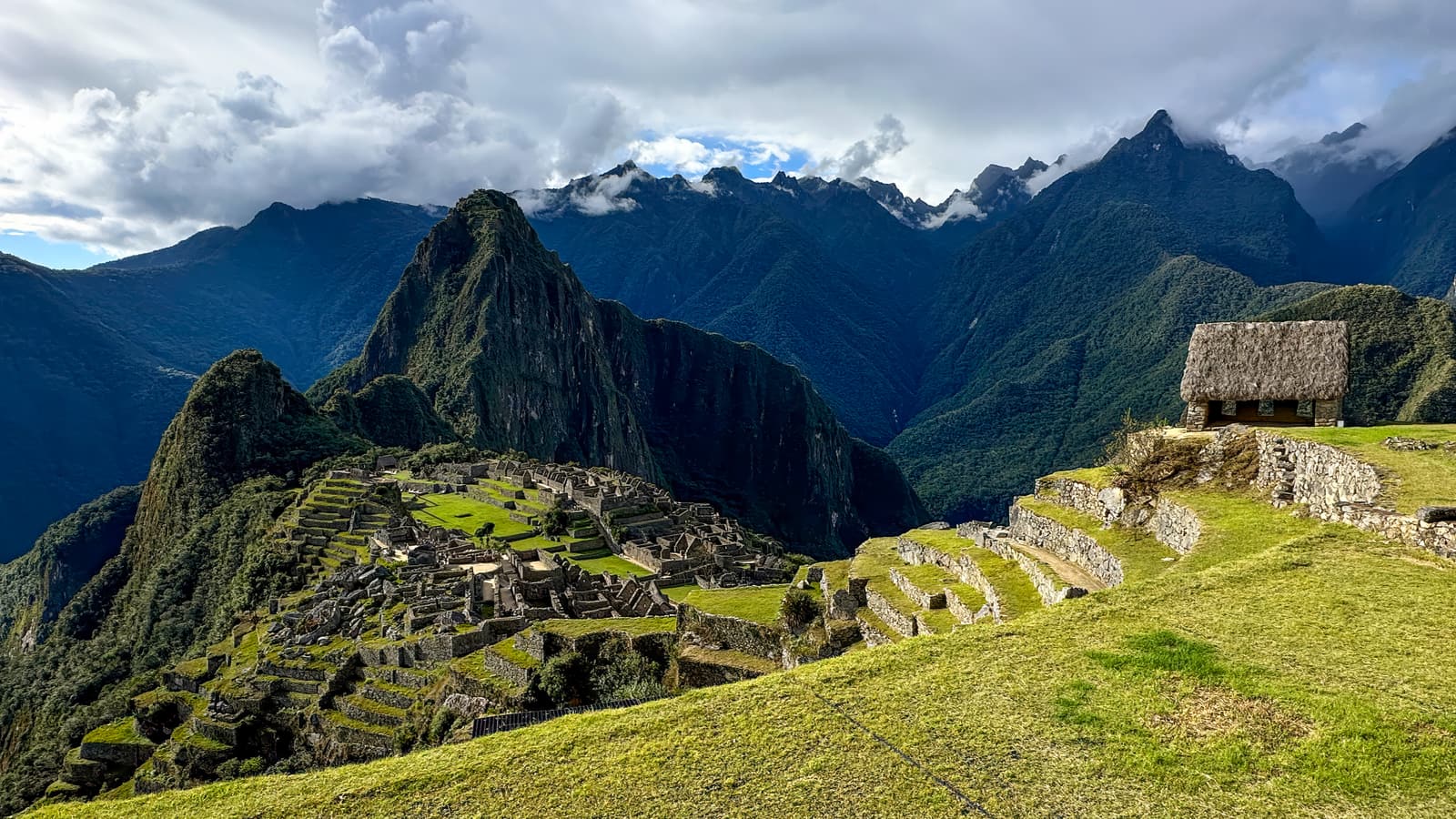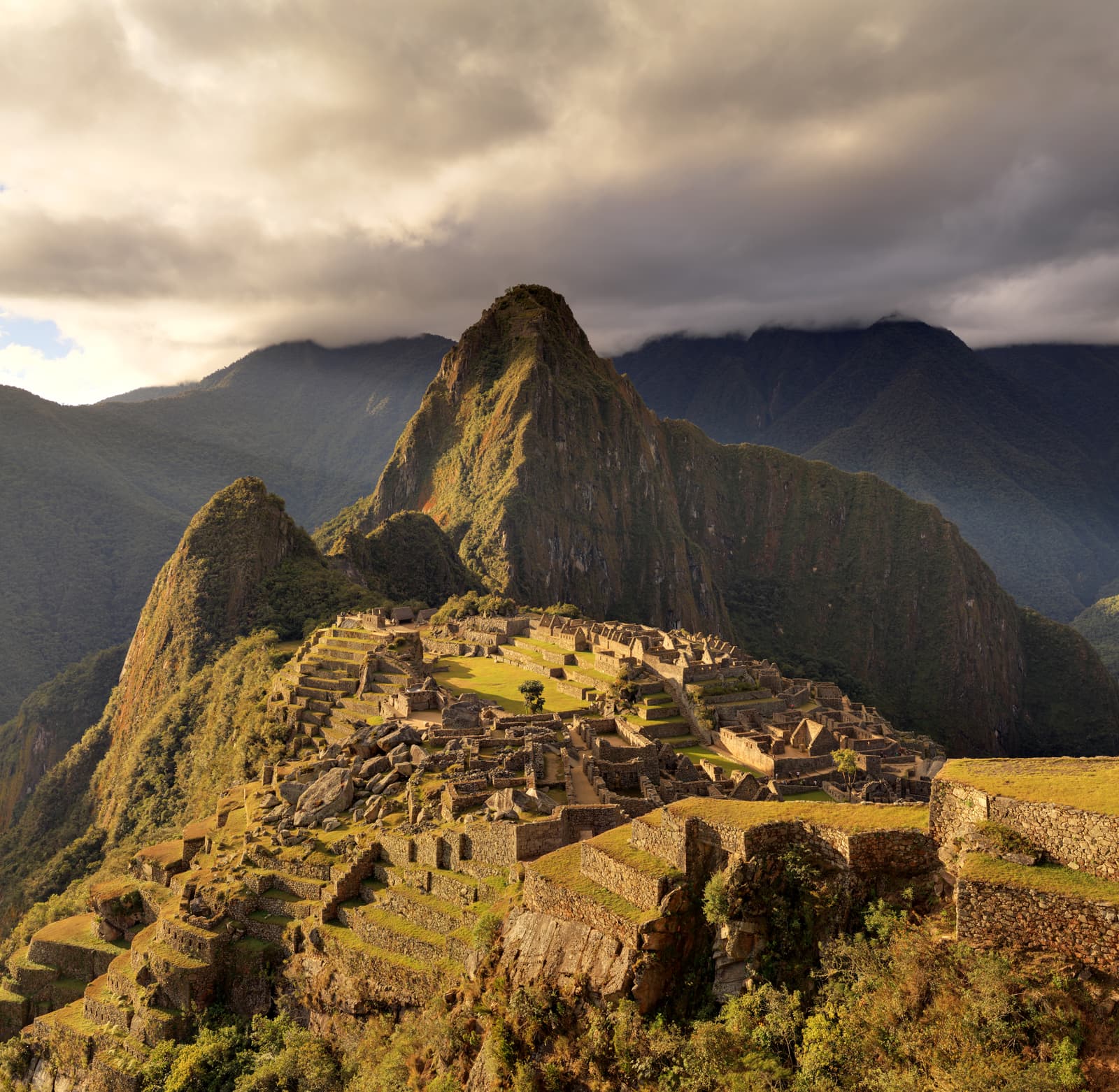
Machu Picchu is a fifteenth-century Inca estate set on a saddle between two peaks, about 2,430 m above sea level and some 400 m above the Urubamba river, which loops around it on three sides. It is a UNESCO World Heritage Site (listed in 1983 for both its cultural and natural value) and the most visited place in Peru.
A short history
Most archaeologists believe the site was built around 1450 as a royal estate for the emperor Pachacuti, who turned the Inca kingdom into an empire. Perhaps 750 people lived here at most — nobles, religious specialists and the servants who looked after them. It was occupied for only about a century and abandoned around the time of the Spanish conquest. The Spanish never recorded finding it, which is why its fine stonework survived intact.
Local farmers always knew of the ruins — a Cusco man, Agustín Lizárraga, left his name on a wall in 1902. The site reached the wider world in 1911, when the American lecturer Hiram Bingham was led there by local guides and went on to publicise it. In 2007 it was voted one of the New Seven Wonders of the World.
What you are looking at
The site divides into an agricultural sector of terraces and an urban sector of about 200 buildings, separated by a wall and a dry moat. The highlights include the Temple of the Sun with its curved wall, the Temple of the Three Windows, the Intihuatana stone, the Sacred Rock and the Temple of the Condor. Our citadel guide walks through them, and the ticket guide explains which circuit reaches which.
The places on the way
 Machu Picchu sanctuary
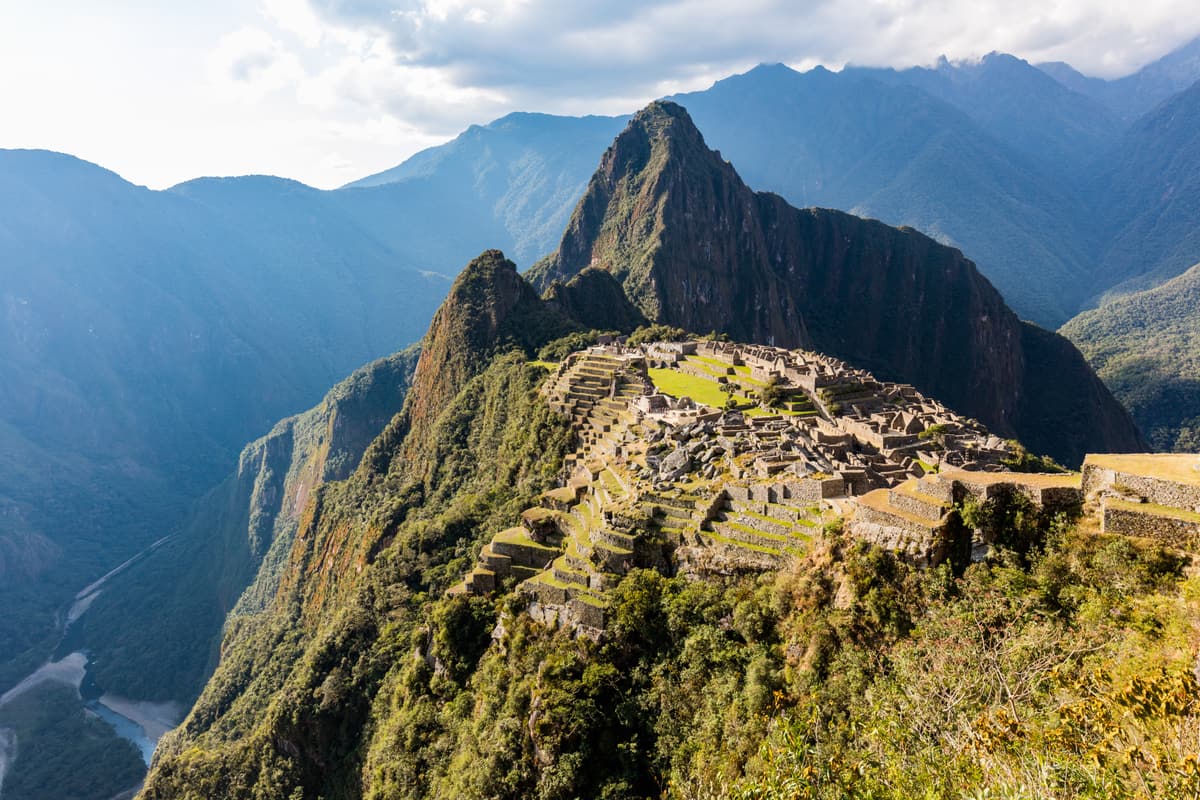
Machu Picchu Citadel
The Inca city itself
Around 200 stone buildings and hundreds of terraces on a ridge at about 2,430 m: temples, plazas, fountains and houses built for the emperor Pachacuti in the fifteenth century and visited today on three fixed circuits.
 Machu Picchu sanctuary
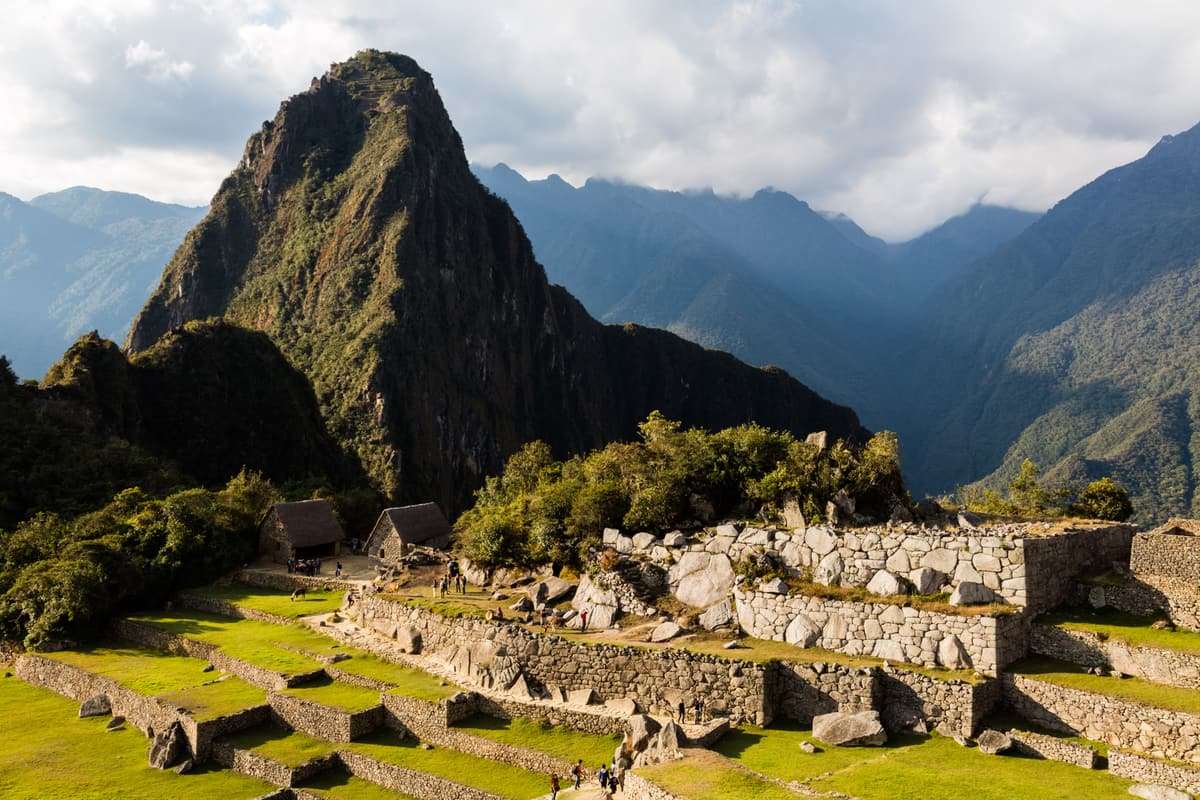
Huayna Picchu
The peak in every photograph
The sugarloaf mountain that rises behind the city. A steep Inca staircase climbs to terraces and buildings near the summit, about 290 m above the citadel, for a bird’s-eye view of the whole site.
 Machu Picchu sanctuary
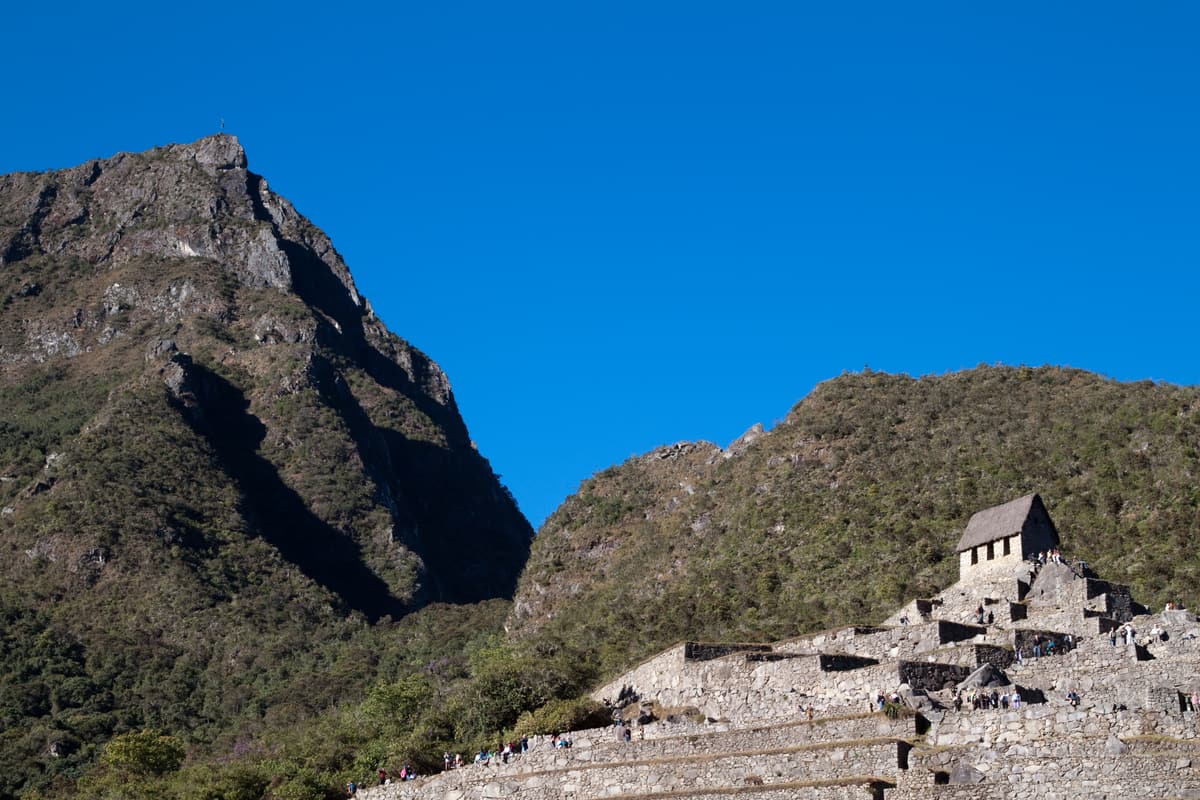
Machu Picchu Mountain
The highest viewpoint
The broad mountain on the opposite side of the site from Huayna Picchu. A long stone stairway leads to the 3,082 m summit, with the citadel, the river loop and the surrounding ranges laid out below.
 Machu Picchu sanctuary
Sun Gate & Inca Bridge
Two walks out along the Inca roads
Inti Punku, the Sun Gate, is where the Inca Trail first looks down on Machu Picchu; the Inca Bridge is a gap in a cliff path once closed by removable logs. Both are side routes of Circuit 1, usually open in high season.
Altitude and acclimatisation
Machu Picchu itself is not especially high. The problem is Cusco, where almost everybody arrives, at about 3,400 m. Flying in from sea level, many visitors feel headache, breathlessness, poor sleep or nausea for a day or two.
- Go down first. The Sacred Valley (about 2,800–2,900 m) and Aguas Calientes (about 2,040 m) are lower than Cusco. A popular plan is to travel straight from the airport to the valley, visit Machu Picchu, and finish in Cusco.
- Take the first day easy. Walk slowly, eat lightly, drink plenty of water and go easy on alcohol.
- Coca tea (mate de coca) is offered everywhere and many travellers find it helps.
- Medication. Ask your doctor before you travel about altitude medicine, especially if you plan to trek or have a heart or lung condition.
- Know the warning signs. Symptoms that get worse rather than better — severe headache, confusion, breathlessness at rest — need medical attention and a lower altitude.
The Sacred Valley
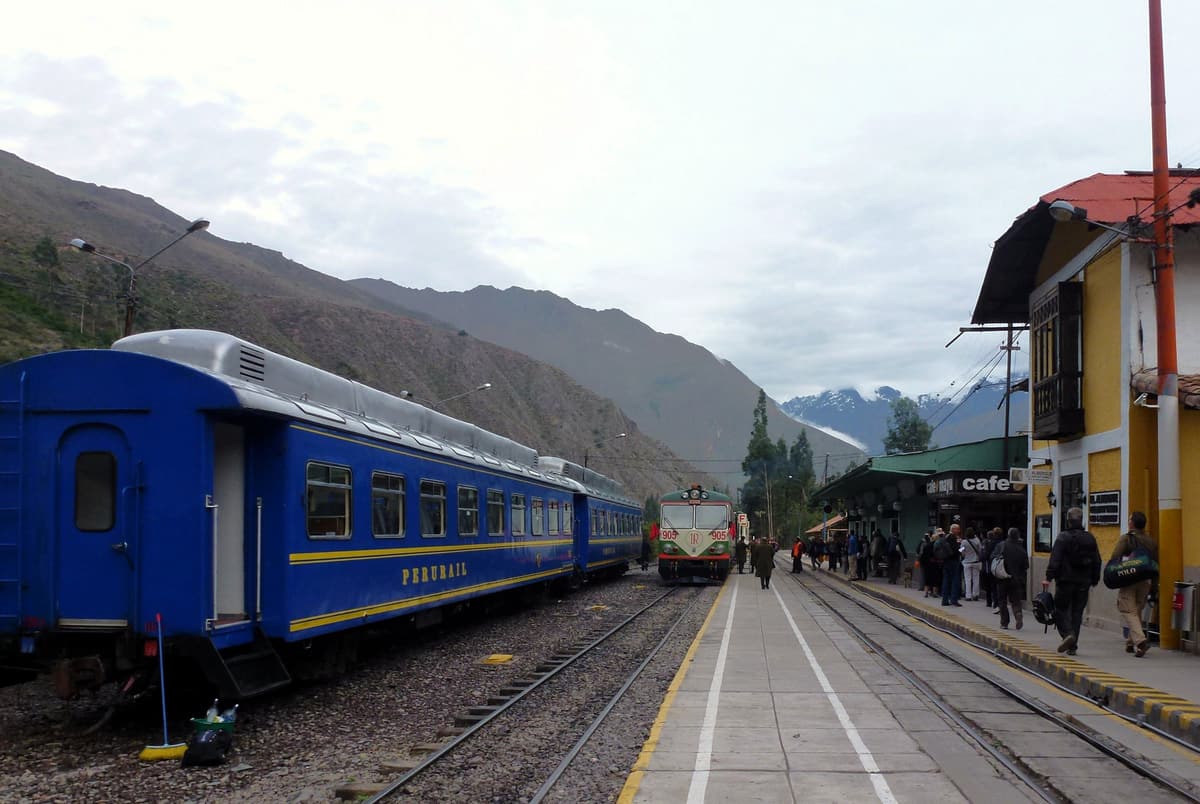
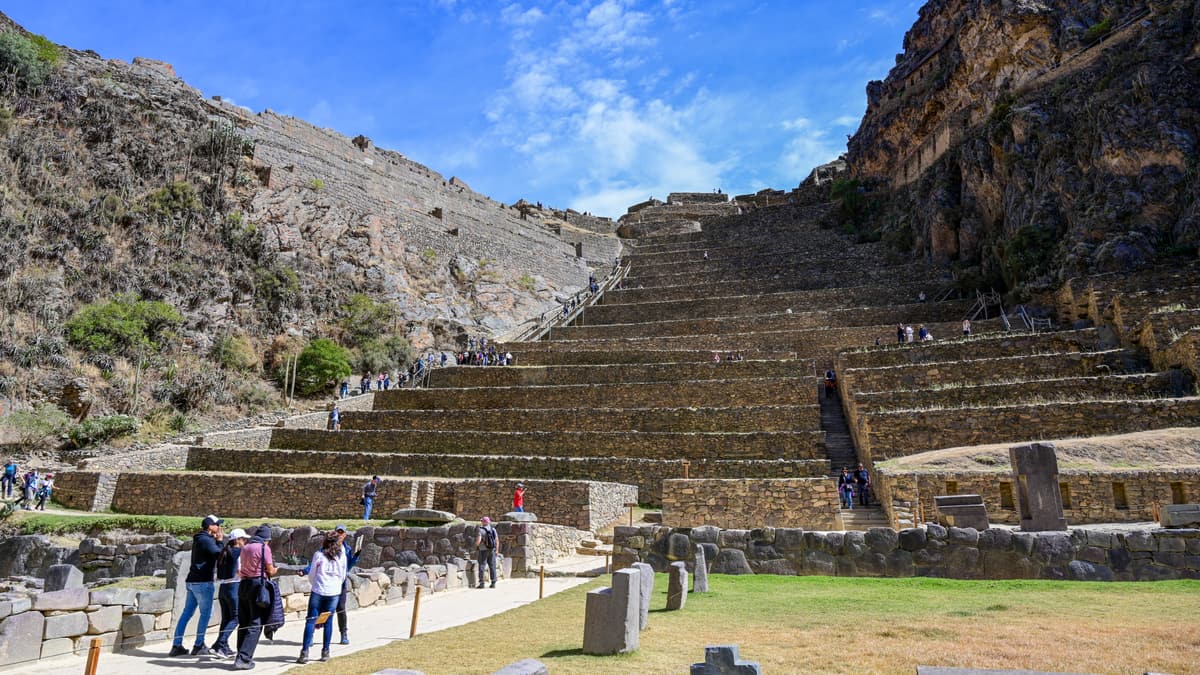
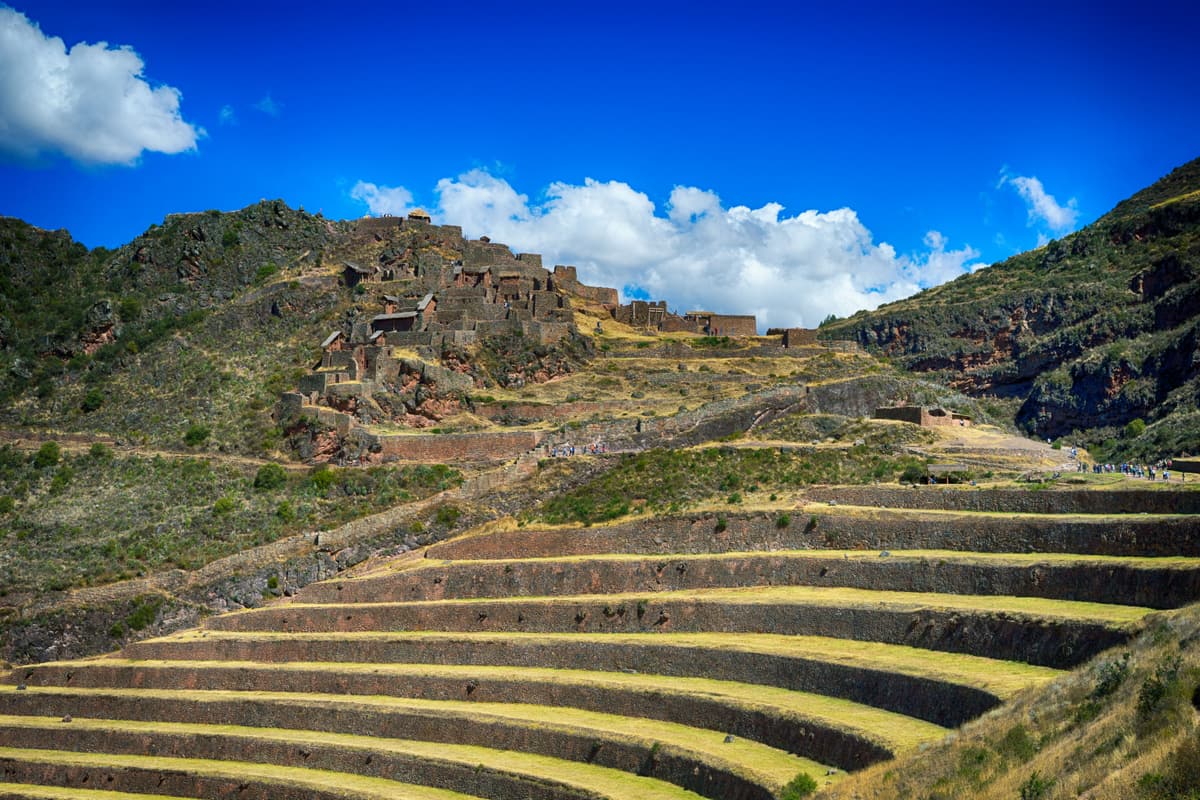
The valley of the Urubamba between Pisac and Ollantaytambo was the breadbasket of the Inca capital. Its main sights are the hilltop ruins and market of Pisac, the circular terraces of Moray and the salt pans of Maras, the weaving town of Chinchero, and Ollantaytambo, a living Inca town beneath a great fortress-temple — and the main railway station for Machu Picchu. Most of the archaeological sites are covered by Cusco’s Boleto Turístico, a combined pass sold separately from the Machu Picchu ticket.
Aguas Calientes
Aguas Calientes exists for Machu Picchu: a tight cluster of hotels, restaurants and craft stalls along the railway and two rivers. It has the thermal baths that give it its name, a small site museum, a butterfly house, and a pleasant walk along the tracks to the Mandor gardens and waterfall. Prices are higher than elsewhere in Peru because everything arrives by train.
Rules inside the site
The full list is in our ticket guide. In short: no drones, tripods or selfie sticks; no large bags; no disposable plastic bottles; no food; no walking sticks unless you need one (with a rubber tip); no umbrellas. There are no toilets inside, and you cannot re-enter.
Money and costs
- Peru’s currency is the sol (PEN). US dollars are accepted for some tourist services, but soles are better for everyday spending.
- There are ATMs in Cusco, Ollantaytambo and Aguas Calientes; those in Aguas Calientes occasionally run dry, so arrive with some cash.
- Cards are taken by most hotels and larger restaurants; carry coins for toilets, small shops and tips.
- The big costs are the train and the entry ticket, followed by the bus. Booking early gives you the cheaper train classes.
What to pack for the day
- Your original passport and tickets (entry, train, bus), on paper or saved offline.
- A rain jacket or poncho in every season, and layers: mornings are cool, midday is hot.
- Sun hat, sunscreen and insect repellent — the biting midges are persistent.
- Shoes with grip; the stone is slippery when wet.
- A refillable water bottle and a small daypack.
- Cash in soles.
Health and safety
The region is generally safe for visitors; ordinary precautions against pickpockets apply in Cusco’s busy streets and markets. Drink bottled or treated water. On the mountain routes, take the exposed sections seriously in the wet. Strikes and landslides occasionally interrupt the trains — see getting here — so keep a spare day and consider travel insurance that covers disruption.
Sample itineraries
Two days: the essentials
- Day 1: Cusco to Ollantaytambo by road (visit the fortress if time allows), afternoon train to Aguas Calientes, early night.
- Day 2: early bus up, Circuit 2 with a guide, return to town for lunch, afternoon train and transfer back to Cusco.
Three days: with the Sacred Valley
- Day 1: Sacred Valley tour from Cusco — Pisac, Maras and Moray — ending in Ollantaytambo; sleep there.
- Day 2: explore Ollantaytambo in the morning, midday train to Aguas Calientes, hot springs or Mandor in the afternoon.
- Day 3: Machu Picchu at opening, then the train back and on to Cusco.
Five days: unhurried, with a mountain
- Day 1: land in Cusco and transfer straight down to the Sacred Valley to acclimatise.
- Day 2: Pisac, Maras, Moray and Chinchero.
- Day 3: Ollantaytambo, then the train to Aguas Calientes.
- Day 4: two entries — Huayna Picchu or Machu Picchu Mountain early, Circuit 2 later — and a second night in town, or an evening train out.
- Day 5: Cusco: the historic centre, Qorikancha and Sacsayhuamán.
Prefer to have it organised? Our ranked tours include one- and two-day versions of these plans.
Combine your trip
Nearly every rail journey to Machu Picchu starts or passes through Ollantaytambo, so it is worth more than a platform change: our Ollantaytambo travel guide covers the fortress-temple, the old Inca streets and where to sleep the night before your train.
If you want an Inca site without the crowds, Choquequirao sits above the Apurímac canyon west of Cusco and can only be reached on foot over several days; see our Choquequirao trek and visiting guide.
Many travellers link Cusco with Arequipa on a longer southern Peru circuit. From Arequipa, the Colca Canyon guide explains how to see the condors and plan a day trip or a trek into one of the deepest canyons in the world.