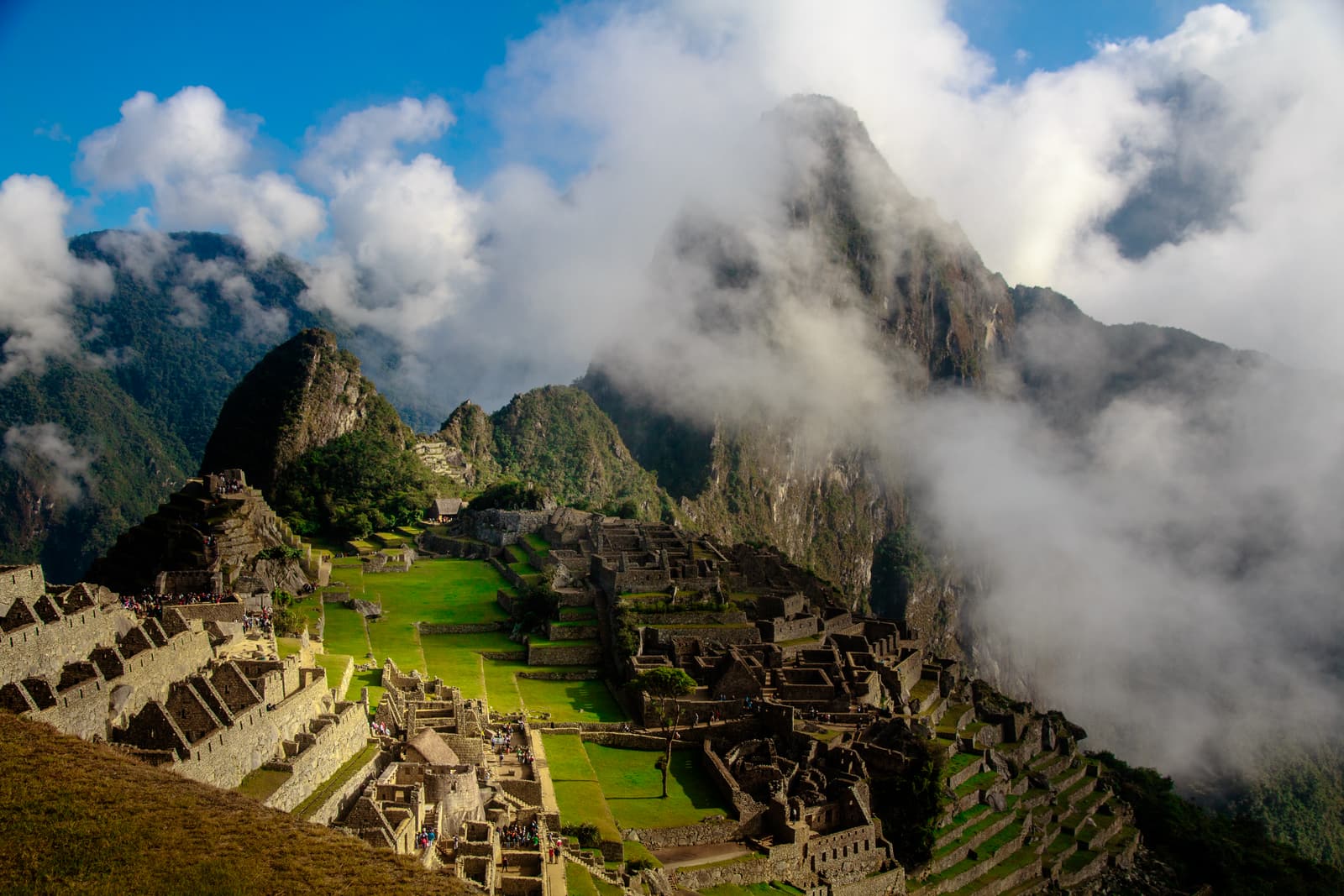
Machu Picchu is open every day of the year. It lies where the Andes meet the Amazon basin, so it is warmer and more humid than Cusco, with two seasons rather than four: a dry season from about May to September and a rainy season from about November to March, with April and October in between.
The sweet spots for most travellers are late April to May and September to October: mostly dry, green from the rains, and less crowded than June to August.
Season by season
| Months | Weather | Crowds | Good to know |
|---|---|---|---|
| April – May | Rains ending; green hills, clear spells | Moderate | Our favourite time. Trails drying out. |
| June – August | Driest and sunniest; cold nights in Cusco | Highest | Book tickets, trains and treks months ahead. |
| September – October | Mostly dry, first showers return | Moderate to high | High-season routes usually still open until mid-October. |
| November – December | Showers most afternoons, warm | Lower, busy at Christmas and New Year | Good value outside the holidays. |
| January – March | Wettest months; cloud, heavy rain | Lowest | Inca Trail closed in February; bimodal trains; landslide risk. |
Dry season (May to September)
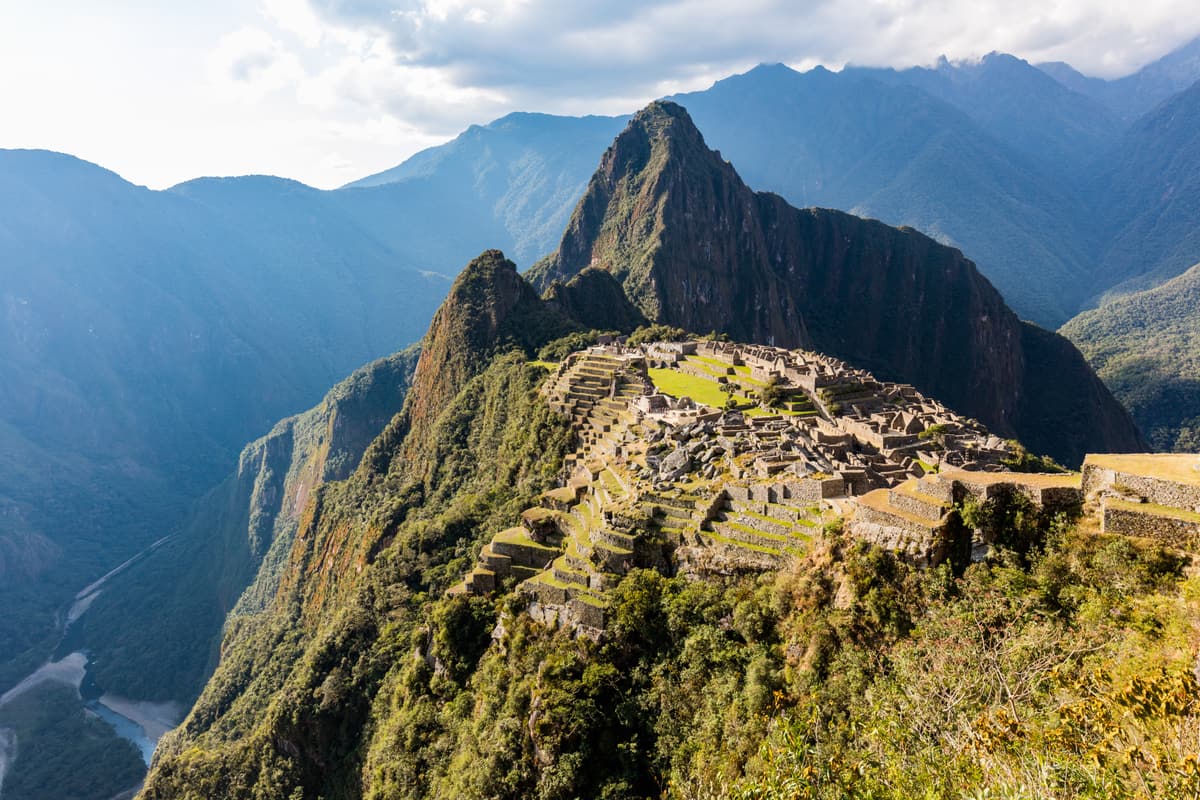
Clear mornings, blue skies and the most reliable views — and the most visitors, peaking from June to August with the northern summer holidays and Cusco’s Inti Raymi festival on 24 June. Daytime temperatures at the site are pleasant, typically in the low twenties Celsius; nights in Cusco and on the high treks drop to around freezing. This is the season when Circuit 2, Huayna Picchu and Inca Trail permits sell out furthest ahead.
Rainy season (November to March)
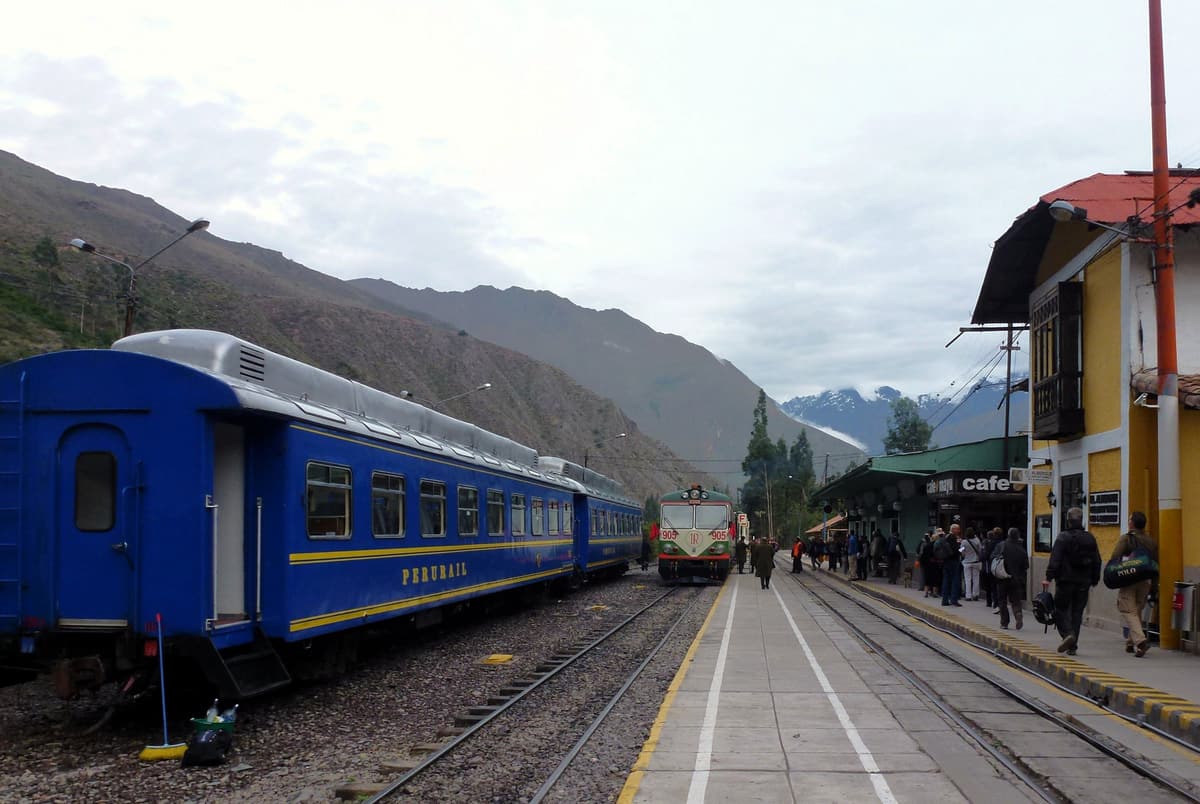
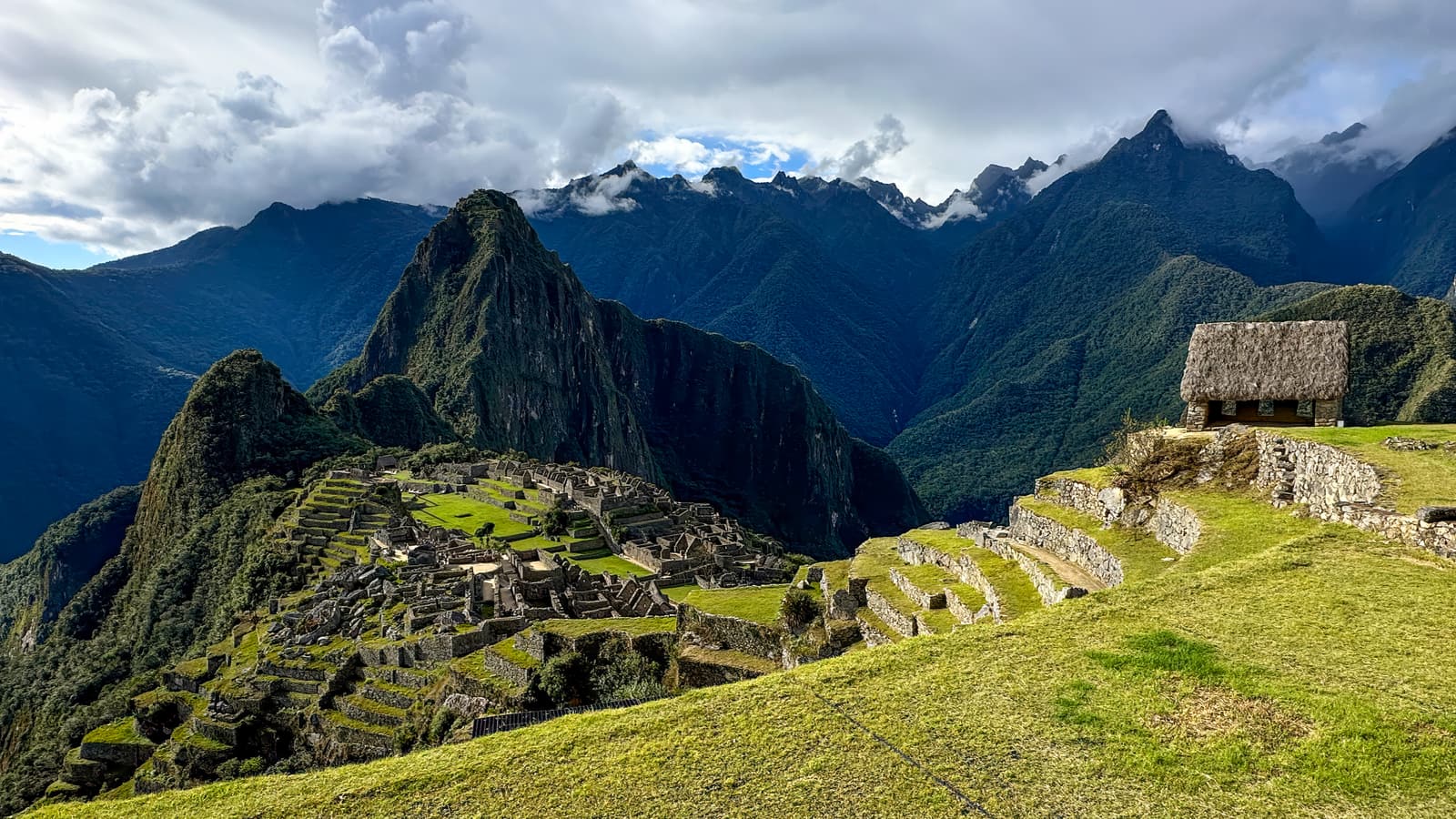
It rarely rains all day. A typical pattern is a cloudy start, clear spells, and heavy showers in the afternoon. The terraces are at their greenest, there are far fewer people, and tickets are much easier to get. The costs: views can vanish into cloud, paths are slippery, and January to March bring the highest risk of landslides affecting the railway and the Hidroeléctrica road. In these months the Cusco trains are usually replaced by a bus-and-train service from Ollantaytambo.
High season and the ticket rules
The authorities define a high season — recently from about June to mid-October, plus dates around Easter, the national holidays in late July and the end of the year — when the daily visitor limit is raised and extra routes open: the Sun Gate, the Inca Bridge, Huchuy Picchu and the Great Cavern. If one of those is on your list, come in those months and check the current calendar in our ticket guide.
The best time of day
- 6–8 a.m.: coolest and calmest, with the romance of first light — but dawn mist often hides the site for an hour or more, particularly from November to April.
- 9 a.m.–noon: the cloud has usually burned off; this is also when the most people are inside.
- After 1 p.m.: day-trippers start heading for their trains; the light warms up and the site feels calmer. In the wet season this is when showers are most likely.
When to book what
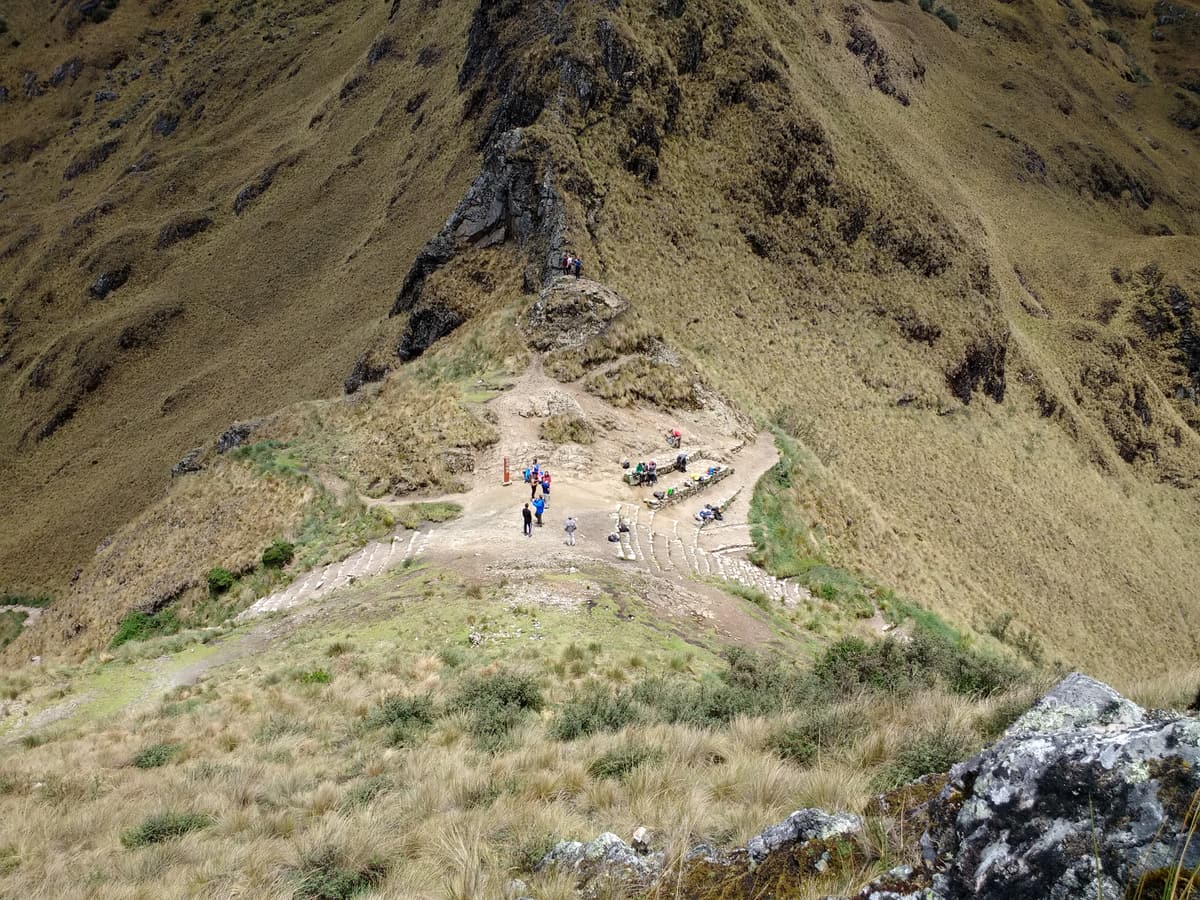
- Classic Inca Trail: as early as possible — several months for the dry season.
- Huayna Picchu and Circuit 2: two to three months ahead for June to September.
- Trains: once your entry time is fixed; the cheaper classes go first.
- Hotels in Aguas Calientes: early for June to August and for holidays.
Whatever the month, bring a rain jacket and sun protection: you may well need both on the same morning.