Arriving on foot changes Machu Picchu from a sight into a destination. The choice comes down to one question: do you want to walk the original Inca road and enter through the Sun Gate — which needs a permit — or are you happy with a spectacular mountain route that finishes in Aguas Calientes?
The treks, compared
| Trek | Length | Highest point | Permit | Character |
|---|---|---|---|---|
| Classic Inca Trail | 4 days · ≈42 km | ≈4,215 m | Yes — limited, book months ahead | Inca ruins all the way; arrives at the Sun Gate |
| Short Inca Trail | 2 days · ≈12 km walking | ≈2,700 m | Yes — limited | Wiñay Wayna and the Sun Gate, hotel night |
| Salkantay | 4–5 days · ≈60–75 km | ≈4,630 m | No | High glacier scenery, then cloud forest |
| Lares | 3–4 days | ≈4,400–4,700 m | No | Andean villages, weaving, hot springs |
| Inca Jungle | 3–4 days | ≈4,300 m (by bike) | No | Biking, optional rafting, valley walking |
The classic Inca Trail (4 days)
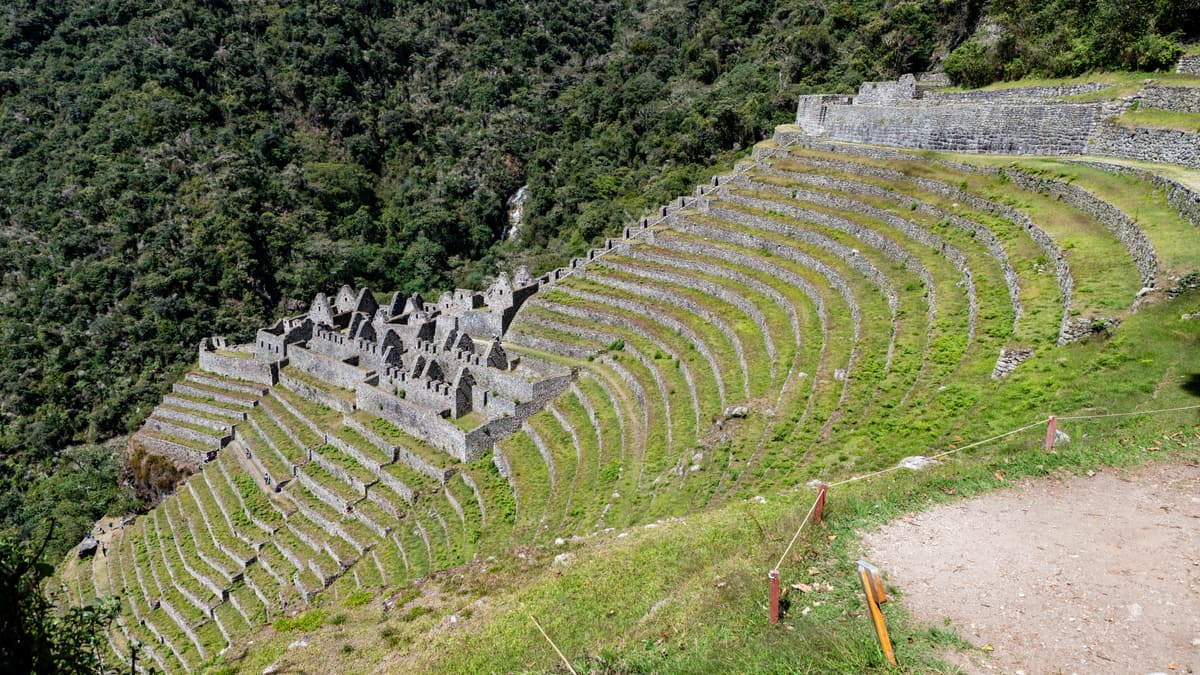
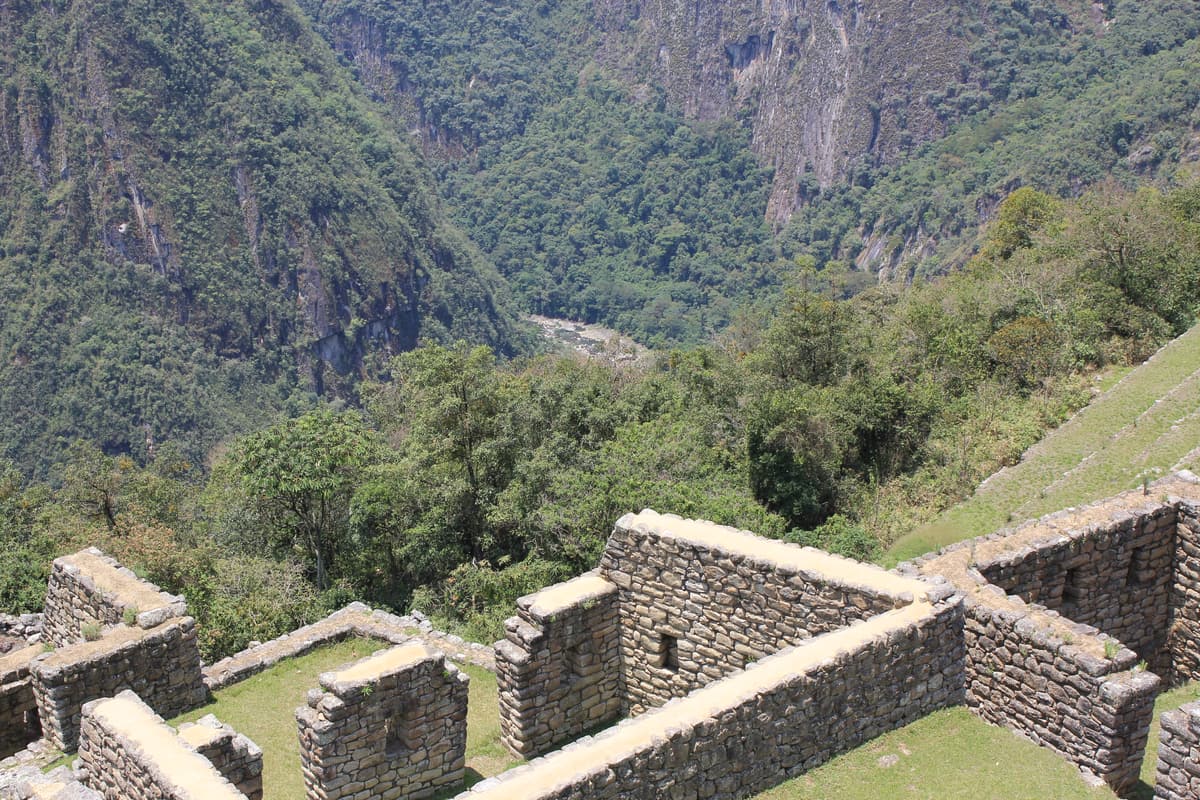
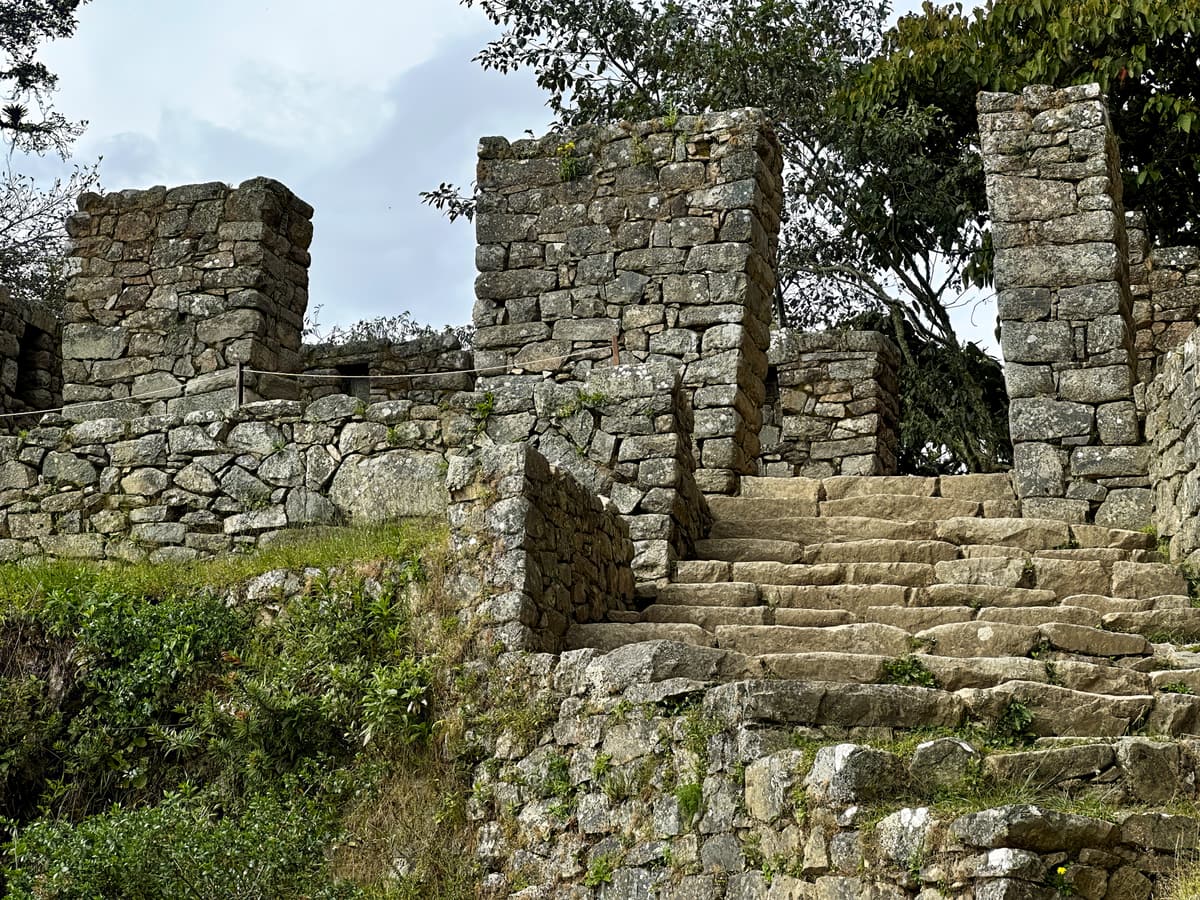
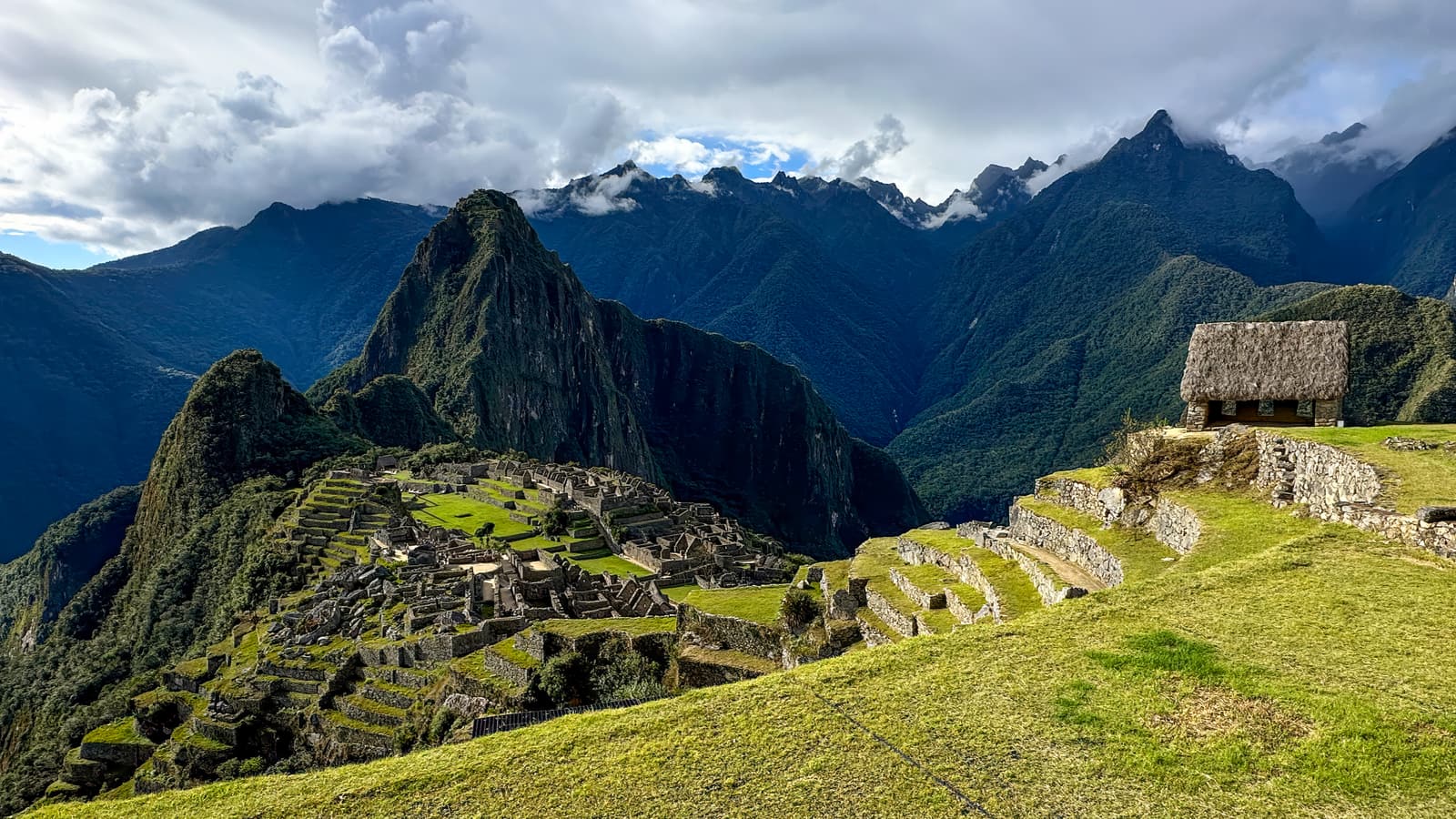
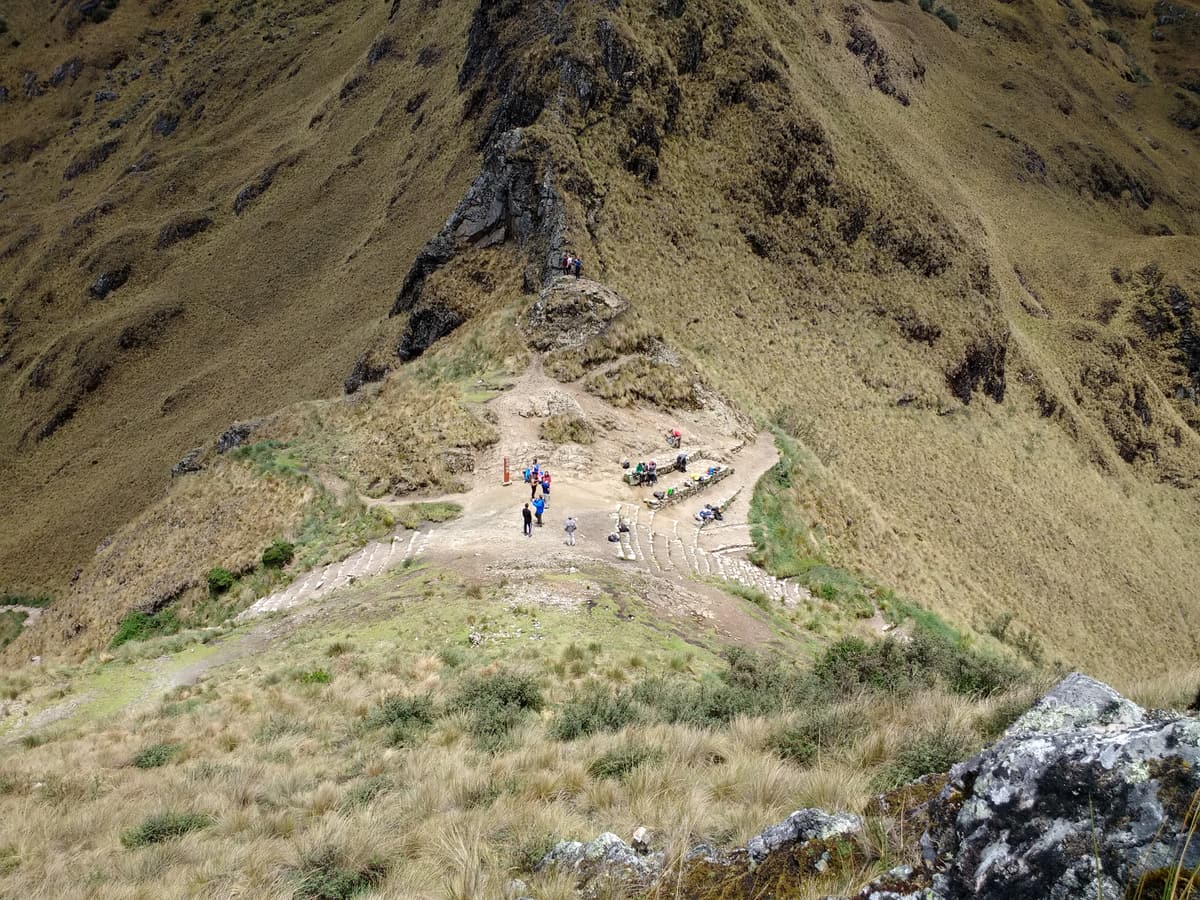
The trail begins at Km 82 of the railway (Piscacucho), beyond Ollantaytambo, and covers about 42 km over four days and three nights of camping. It passes a string of Inca sites that can only be reached on foot — Llactapata, Runkurakay, Sayacmarca, Phuyupatamarca and Wiñay Wayna — and crosses Dead Woman’s Pass (Warmiwañusca) at about 4,215 m on the second day, the hardest of the trek. On the final morning you walk to the Sun Gate for the first view of Machu Picchu.
- Permits. Access is limited to about 500 people a day including guides, cooks and porters — which leaves roughly 200 places for trekkers. You can only go with a licensed operator, who buys the permit with your passport details. It cannot be transferred or changed.
- When to book. Permits for May to September often sell out several months in advance. Shoulder months are easier.
- Closed in February. The trail shuts every February for maintenance and because of the rains. Machu Picchu itself stays open.
- Difficulty. Moderate to demanding: long stone staircases and altitude rather than technical ground. Spend two days at altitude first.
The short Inca Trail (2 days)
A train drops you at Km 104, from where a path climbs for three to four hours to Wiñay Wayna, one of the finest sites on the whole trail, and continues to the Sun Gate in the afternoon. You sleep in a hotel in Aguas Calientes and return to the citadel for a full visit the next morning. It needs a permit too, but is less demanding and a good compromise if you are short of time or do not want to camp.
Salkantay (4–5 days)
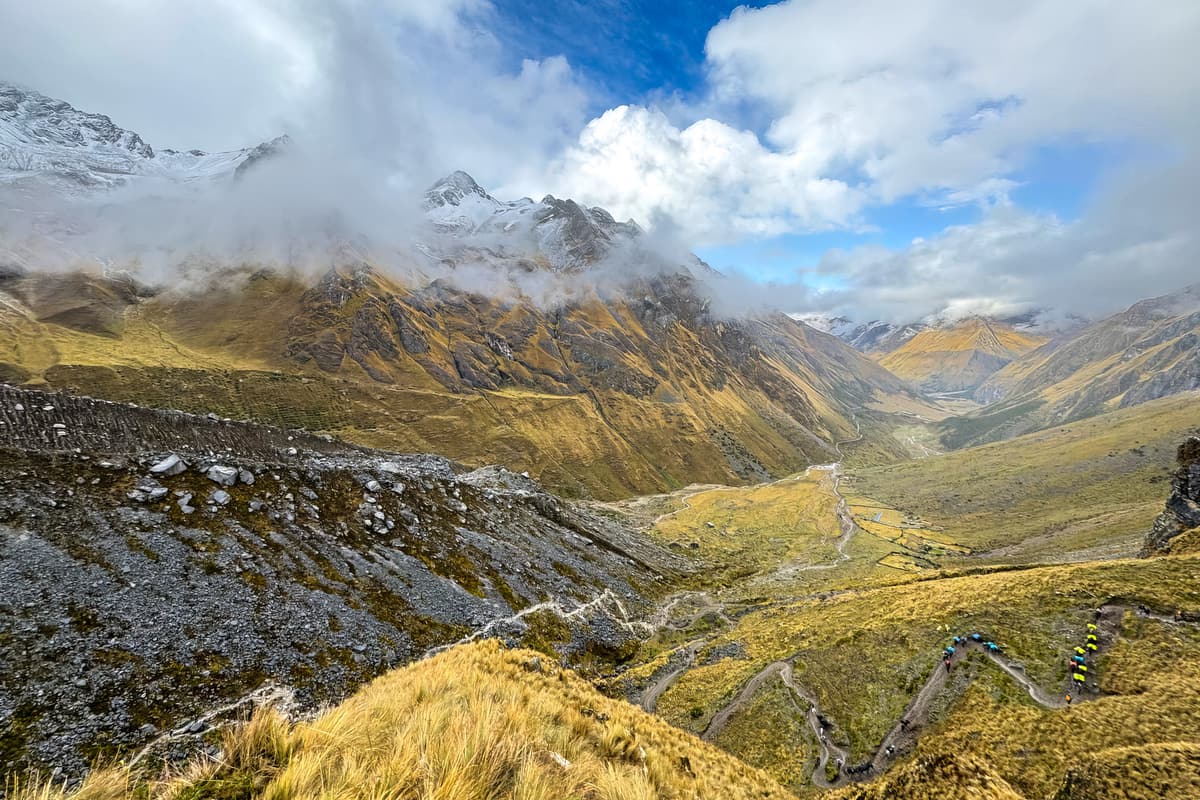
The best-known alternative, with no permit system. From Soraypampa — usually with a side trip to the turquoise Humantay Lake — the route crosses the Salkantay pass at about 4,630 m beneath the 6,271 m peak, then drops through cloud forest and coffee farms to the Santa Teresa valley. Most itineraries finish with a walk along the railway from Hidroeléctrica to Aguas Calientes and visit Machu Picchu on the last day. It is higher and longer than the Inca Trail, with bigger mountain scenery and almost no Inca ruins on the way. Many operators now use domes or simple lodges instead of tents.
Lares (3–4 days)
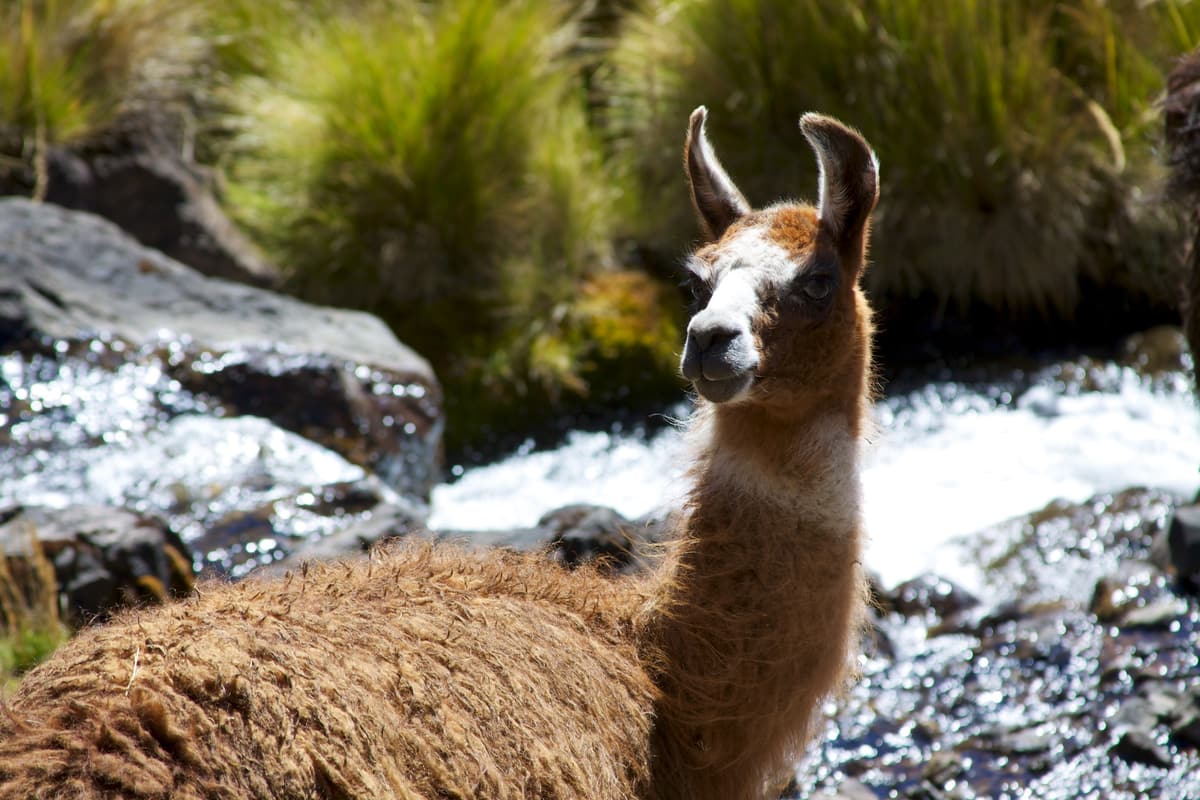
The Lares trek runs through high valleys north of the Sacred Valley where Quechua-speaking communities still herd llamas and alpacas and weave by hand. Routes vary, crossing one or two passes between about 4,400 and 4,700 m, and usually include the Lares hot springs. The walk ends near Ollantaytambo, from where you take the train to Aguas Calientes. It is the quietest of the main treks and the best for meeting local people.
Inca Jungle (3–4 days)
Less a trek than a multi-activity trip: a long downhill ride by mountain bike from the Abra Málaga pass (about 4,300 m) into the warm valley, optional white-water rafting and zip-lining around Santa María and Santa Teresa, a soak at the Cocalmayo hot springs, and a final walk from Hidroeléctrica to Aguas Calientes. Popular with younger travellers and usually the cheapest multi-day way in.
Which trek is right for you?
- You want the Inca road and the Sun Gate arrival: the classic Inca Trail — book early.
- You have little time or dislike camping: the short Inca Trail.
- Permits are sold out, or you want big mountains: Salkantay.
- You care more about people than ruins: Lares.
- You want variety and a lower price: Inca Jungle.
What treks usually include
A typical package covers transport from Cusco, a guide, meals on the trail, camping equipment or lodges, the Machu Picchu entry ticket and the train back to Ollantaytambo. On the Inca Trail, porters carry the group equipment; a personal porter for your own bag, a sleeping bag and walking poles are often extra. Read the “includes” list — and check which Machu Picchu circuit is part of the deal.